
Chopstick Rest, Simple Black
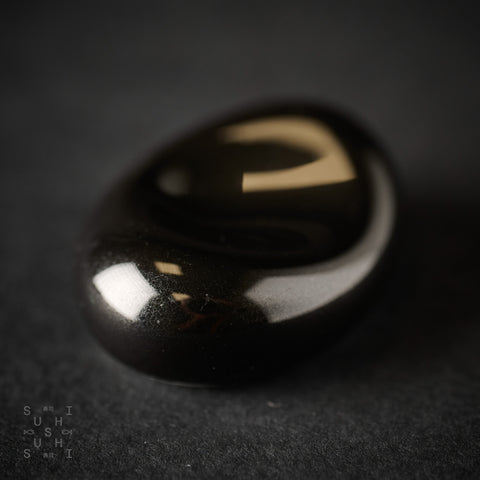
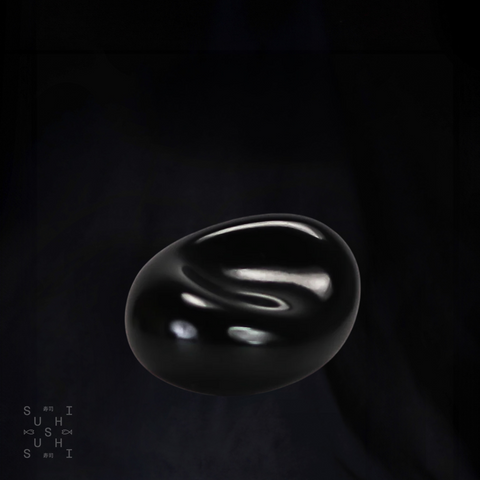
42 x 33 x 16mm of gloss black ceramic that keeps chopstick tips off the table.
A small, pebble-shaped hashioki in glossy black glaze. It is plain on purpose: the dark finish sits quietly beside black lacquer, dark stoneware or a bare wooden counter, and it is low and heavy enough that chopsticks rest on it without rolling off. Buy one per cover and set it at the front of the place setting, tips to the left.
Why Chefs Choose This
- Tidy covers: tips rest clear of the table or tray, so a place setting stays clean through a long meal.
- Nothing to distract: a plain black pebble goes with any tableware and never fights the food for attention.
- Compact: at 42 x 33mm it fits beside a soy dish and a plate without crowding the setting.
- Glazed ceramic: a smooth, sealed surface that wipes clean and does not hold stains.
How to Use
- Place settings: lay it at the front of each cover with the chopsticks resting across it, tips pointing left.
- Omakase and counters: give each guest their own rest so chopsticks come off the counter between courses.
- Small spoons and skewers: also takes a renge soup spoon, a kuromoji pick or a pair of cooking chopsticks at the pass.
- At home: a simple way to make an everyday bowl of rice feel like a proper meal.
The hashioki (箸置き, chopstick rest) is a standard part of a Japanese table setting. Chopsticks are laid horizontally at the front of the setting, tips to the left, with the tips resting on the hashioki so they never touch the table. Resting chopsticks across a bowl or standing them upright in rice is considered bad manners, so the rest does real work. Rests come in every material and shape, from seasonal ceramic fish and flowers to lacquer and glass; a plain black pebble is the everyday option that suits any table.
Learn more: All You Need to Know About Chopsticks
Why use a chopstick rest?
Hygiene and manners, mostly. The tips are the part that touches your food, so keeping them off the table keeps them clean. In Japan it is also poor form to rest chopsticks across the top of a bowl (watashibashi) or stand them upright in rice, which is associated with funeral rites. A hashioki gives the chopsticks somewhere proper to go between mouthfuls, and it signals to a guest that the table has been set with care.
Product Details
| Type | Chopstick rest (箸置き, hashioki) |
| Brand | Kōmi |
| Material | Glazed ceramic, gloss black |
| Shape | Smooth pebble |
| Dimensions | 42 x 33 x 16mm |
| Origin | Japan |
| Care | Hand wash with warm soapy water, or wipe with a damp cloth; dry before storing |
| Best Used For | Chopsticks, renge spoons and small picks at each place setting |
Which way should chopsticks face on a rest?
In a Japanese setting the chopsticks lie horizontally at the front of the place, with the tips pointing to the left and resting on the hashioki. The rest usually sits at the left-hand end. Left-handed diners may reverse it.
Is it dishwasher safe?
It is glazed ceramic, so it will survive a wash, but we recommend washing by hand in warm soapy water to keep the gloss finish at its best, and drying it before putting it away. It is a small piece, so avoid knocking it against other ceramics in a busy sink.
Will it work with thicker chopsticks?
Yes. The low pebble shape takes most wooden, lacquered and resin chopsticks, as well as a pair of disposable waribashi. Very long cooking chopsticks (saibashi) will rest on it too, though they are better suited to a larger rest.
SKU : T0057