


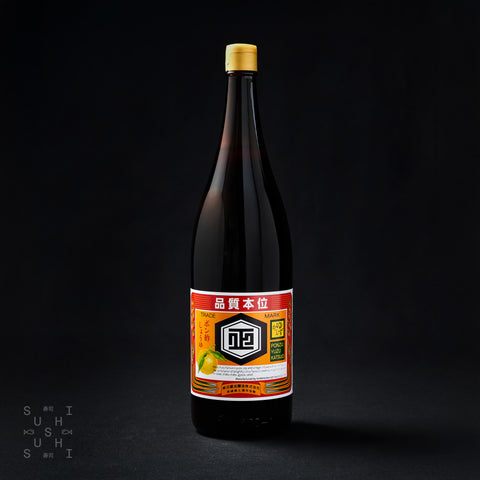
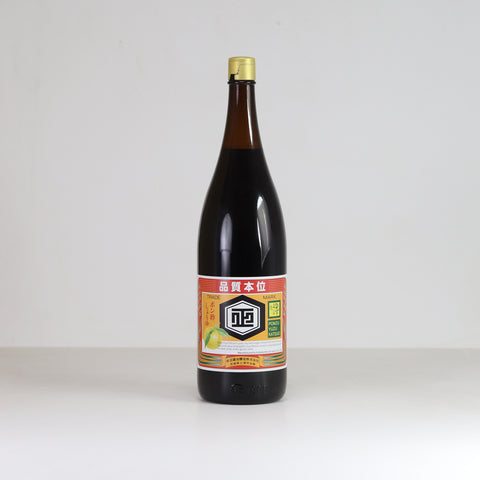
Shibanuma, Classic Yuzu Ponzu, 1.8L
Yuzu and bonito ponzu from an Ibaraki soy brewery founded in 1688, in the 1.8L bottle a busy kitchen needs.
This is Shibanuma's ponzu yuzu katsuo in the catering size. Shibanuma Shoyu has brewed soy sauce in Tsuchiura, Ibaraki, since 1688, and still ferments its soy sauce in wooden barrels. Yuzu juice brings the citrus, katsuobushi (dried bonito) brings the savoury depth, and vinegar keeps it bright. The result is a ready-made ponzu that does the job of dipping sauce, dressing base and finishing sauce straight from the bottle, with no mixing on the line.
For smaller kitchens and home cooks the same ponzu comes in a 300ml bottle.
Why Chefs Choose This
- Citrus and umami in one pour: yuzu lifts, bonito and soy give depth, so one sauce does what would otherwise take three
- From a soy specialist: made by a brewery that has been making soy sauce since 1688
- Yuzu with character: Shibanuma describes its Ibaraki yuzu as having a noble, muscat-like aroma, and it shows in the pour
- Catering volume: 1.8L keeps a sashimi section, hot pot service or dressing station going without daily reorders
How to Use
- Sashimi and tataki: serve cold as a dip, or spoon over seared beef or bonito tataki
- Hot pot and shabu-shabu: the classic dip for meat and vegetables lifted out of the broth
- Grilled meat and fish: drizzle over steak, pork, salmon or yakitori just before serving; the acidity cuts through fat
- Dressings: whisk with a little sesame or neutral oil for salads, blanched greens or cold tofu
Ponzu (ポン酢) is usually traced to the Dutch word pons, a citrus punch, which arrived in Japan through Dutch trade in the Edo period. The su (酢) means vinegar. In the Japanese kitchen the name now covers citrus-seasoned soy sauce like this one, where the juice of a sour citrus meets soy, vinegar and dashi. Yuzu (柚子) is the most prized of those citrus fruits for its perfume. Shibanuma Shoyu (柴沼醤油醸造) has brewed in Tsuchiura, on the banks of the Sakura River, since 1688, and still ferments soy sauce in large wooden barrels. Its ponzu uses yuzu grown in Ibaraki, the brewery's home prefecture.
Learn more: What is Yuzu?
What does yuzu ponzu taste like?
Bright and sharp on the first sip, then savoury. The yuzu comes first: floral and aromatic, more perfumed than lemon. Straight behind it is the salt and roundness of brewed soy, with a smoky, savoury depth from the bonito that stops it tasting like citrus juice. It is thin enough to dip and pour, not a thickened sauce. Served cold it is lively and clean; on something hot and fatty, like grilled pork or shabu-shabu beef, it cuts through and refreshes. It is at its best uncooked, so add it at the end rather than boiling it.
More from Shibanuma: Barrel-Aged Unpasteurised Soy Sauce and Sesame Dressing (1L).
Product Details
| Type | Ponzu yuzu katsuo (ポン酢ゆずかつお), citrus-seasoned soy sauce with yuzu and bonito |
| Brand | Shibanuma (柴沼醤油醸造), brewing since 1688 |
| Origin | Tsuchiura, Ibaraki Prefecture, Japan |
| Yuzu | Ibaraki-grown yuzu (maker's description of its ponzu) |
| Volume and Format | 1.8L glass bottle |
| Storage | Room temperature, out of direct sunlight before opening. Refrigerate once opened |
| Best Used As | Dipping sauce, dressing base and finishing sauce |
What is the difference between ponzu and yuzu ponzu?
Ponzu is the family name for citrus-seasoned soy sauce, and it can be made with any sour Japanese citrus: sudachi, kabosu, daidai or a blend. Yuzu ponzu names yuzu as the citrus. Yuzu is the most aromatic of them, with a floral perfume the others lack, so yuzu ponzu smells and finishes differently. This one also carries katsuobushi, so it is savoury as well as sharp.
How do you use ponzu in a professional kitchen?
Cold and late. It is at its best as a dip for sashimi, gyoza and hot pot, a finishing sauce over grilled meat and fish at the pass, and the base of a quick dressing with oil and grated daikon. It is not a cooking sauce: boiling drives off the yuzu aroma and flattens the balance. For marinades, keep them short, as the acidity starts to firm raw fish within minutes.
How should I store ponzu once opened?
In the fridge, cap on. The yuzu aroma fades with warmth and air, so cold storage keeps it brighter for longer. Before opening, a cool cupboard out of direct sunlight is fine. For a 1.8L bottle in a busy kitchen, decant a working bottle for the line and keep the main bottle sealed and chilled.
SKU : S0764