




Kisaichi, Premium Rice Vinegar, 1.8L
Rice vinegar made from rice polished the way sake brewers polish it: cleaner, softer and sweeter than standard komezu, for sushi rice that tastes of rice.
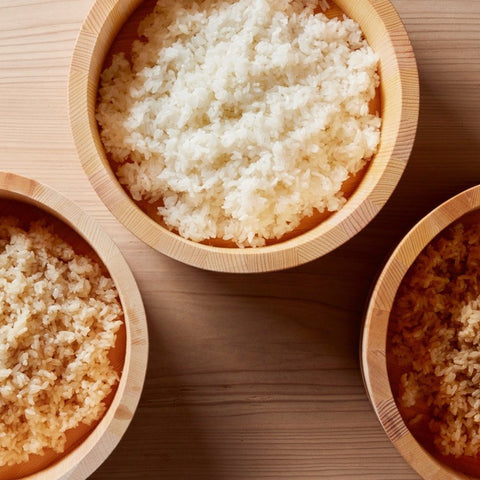
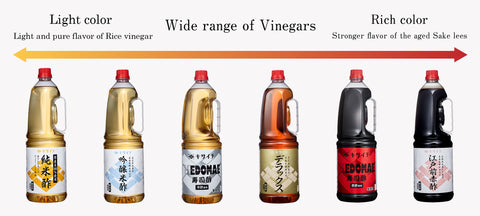
This is Kisaichi's ginjo rice vinegar (吟醸米酢), made from rice polished to sake-brewing standards and brewed by surface fermentation, as the label states: 古式伝統製法, 表面発酵法仕込み (traditional method, surface fermented). Polishing away the outer layers of the grain removes much of the rice smell that comes through in ordinary rice vinegar, and the result is clearer, sweeter and richer in taste, with a milder acidity. This 1.8L bottle is the trade size, unseasoned, so you build your own sushi-zu.
Why Chefs Choose This
- Milder acidity: it seasons sushi rice without a harsh sour edge.
- Less rice smell: sake-style polishing gives a cleaner aroma than standard rice vinegar.
- Rounder taste: clearer, sweeter and richer, so you need less sugar in the sushi-zu.
- Made for sushi: works with maguro, tai, kohada, hirame and ika alike.
How to Use
- Sushi-zu: dissolve sugar and salt into it and fold through freshly cooked rice.
- Blending: mix with akasu (red vinegar) or a little dashi for a house sushi-zu.
- Sunomono and pickles: dress cucumber and wakame, or use as the base for quick pickling.
- Dressings: a gentle acid for ponzu-style dressings and light vinaigrettes.
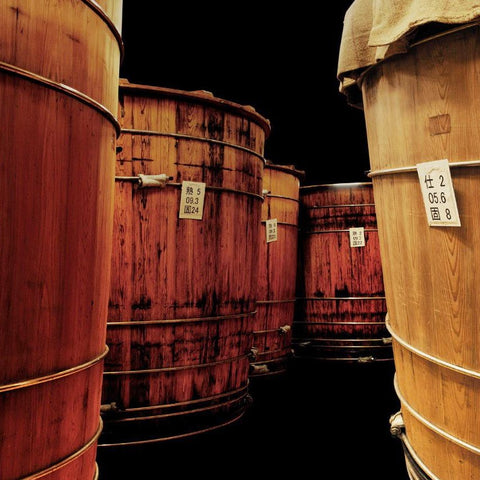
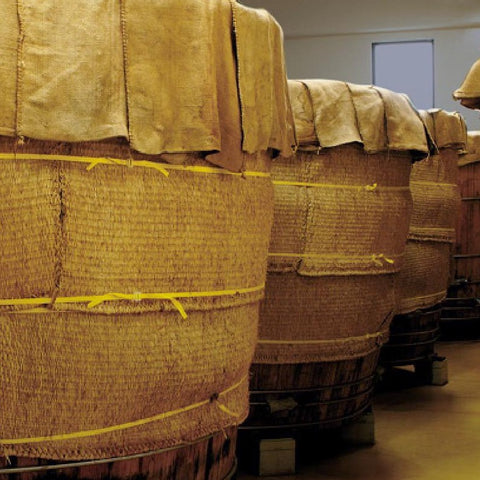
Komezu (米酢), rice vinegar, is the backbone of sushi. Ginjo (吟醸) is borrowed from sake, where it means rice polished hard before brewing to get a cleaner, more fragrant result, and the same idea carries over to vinegar. Surface fermentation (表面発酵) is the older of the two ways to make vinegar: the acetic acid bacteria work slowly as a film on the surface of the still liquid, rather than in a fast, aerated tank. It takes longer and gives a softer, rounder vinegar, which is why sushi chefs who season rice by hand look for it.
Learn more: Japanese Rice
Pairs with: Kisaichi Premium Sushi Vinegar with Akasu, bamboo sushi rolling mat and Shokunin A grade nori, 50 sheets.
What does ginjo rice vinegar taste like?
Soft and clean. The acidity is there but it does not catch the back of the throat the way a sharp distilled or cheap rice vinegar does. There is a gentle sweetness and a round, rice-like depth, without the slightly musty rice smell some vinegars carry. Folded into rice, it tastes of seasoning rather than of vinegar, which is what you want: the fish should be the loudest thing on the plate.
Product Details
| Type | Ginjo rice vinegar (吟醸米酢), unseasoned |
| Brand | Kisaichi (キサイチ) |
| Origin | Japan |
| Method | Surface fermentation, from rice polished to sake-brewing standards |
| Character | Clear, mild acidity, rounded sweetness, low rice smell |
| Volume and Format | 1.8L plastic bottle with handle (also available by the case of 6) |
| Best Used As | The base for sushi-zu, sunomono, pickles and dressings |
Is this sushi vinegar?
No. This is plain rice vinegar, unseasoned, so you add your own sugar and salt to make sushi-zu to your taste. If you would rather have a ready-seasoned blend, Kisaichi also makes Premium Sushi Vinegar with Akasu, which is mixed and ready to fold through rice.
How do I make sushi-zu with it?
Warm the vinegar gently with sugar and salt until they dissolve, without boiling, then let it cool. Fold it through freshly cooked, still-hot rice with a cutting motion, fanning the rice as you go. Proportions vary by house and by fish; lighter, less sweet seasoning suits Edomae-style sushi, sweeter suits rolls. Because this vinegar is mild and naturally rounded, most kitchens find they can use less sugar.
How should I store it?
Keep it in a cool, dark place away from direct sunlight and heat. After opening, cap it tightly. It does not need refrigerating, but keeping it cool helps it hold its clarity and aroma.
SKU : S0796