
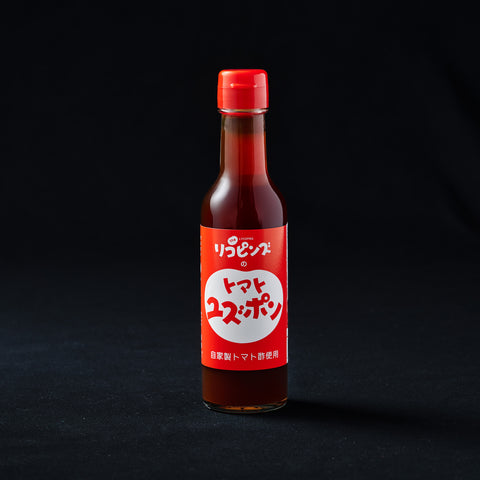


Lycopins, Tomato Yuzu Ponzu, Japanese Citrus Soy Dressing, 200ml
The Ponzu That Works Across the Whole Menu
Standard ponzu lives on the Japanese section of the menu. Lycopins Tomato Yuzu Ponzu lives everywhere else as well. The difference is the base: instead of rice vinegar, this is built on homemade tomato vinegar (自家製トマト酢使用) — rounder, naturally sweet, and with enough body to carry across sashimi, crudo, salads, grilled meats, and vegetable dishes without feeling out of place on any of them. It is the only tomato ponzu available in the UK trade.
Why Chefs Choose This
- Homemade tomato vinegar base (自家製トマト酢使用): The acid is house-made, not commercial — rounder acidity with natural sweetness that rice vinegar cannot replicate
- Bridge ingredient: The tomato element means this ponzu works naturally with Western proteins, salads, and vegetable dishes, not just Japanese applications
- Menu versatility: Serves as a dressing, dipping sauce, marinade, and finishing condiment — one bottle, multiple stations
- Genuine exclusivity: No other tomato ponzu is available in the UK trade market — a real point of difference for chefs building a Japanese-influenced menu
How to Use
- Sashimi and tataki: Use in place of standard ponzu — the tomato adds body and a faint sweetness that complements oily fish particularly well
- Salad dressing: Drizzle directly, or whisk with a little sesame oil. Works on tomato and mozzarella as well as dressed leaves and crudo
- Grilled meat finish: Spoon over steak, pork belly, or yakitori at the pass — the tomato acidity cuts fat cleanly
- Nabe and hot pot: Use as a dipping sauce for shabu-shabu — the tomato richness pairs well with fatty cuts and root vegetables
Lycopins — リコピンズ
The brand name Lycopins (リコピンズ) takes its reference from lycopene — the antioxidant compound that gives tomatoes their red colour and is released more readily when tomatoes are cooked or fermented. Ponzu (ポン酢) is itself a loanword, from the Dutch pons meaning citrus punch, which arrived in Japan through seventeenth-century trade. The Lycopins version takes that classical citrus-soy-dashi structure and replaces the rice vinegar base with house-made tomato vinegar, using Ehime tomatoes and Kōchi yuzu — two of the most respected regional produce sources in Japan. Ehime is one of Japan's leading citrus-growing prefectures; Kōchi yuzu is the benchmark variety, known for intense fragrance rather than volume. The result is a sauce that sits at the intersection of Japanese and European cooking traditions without belonging entirely to either.
What does tomato ponzu taste like?
The first note is yuzu — bright, aromatic, the same sharp fragrance you'd expect from a good ponzu. Then the tomato vinegar base comes through: a rounder, warmer acidity than rice vinegar, with natural sweetness underneath. Where standard ponzu can be quite thin and sharp, the tomato element gives this version more body and a slightly fuller mouthfeel. It finishes with clean soy umami from the katsuobushi dashi. The overall effect is a ponzu that is less austere and more approachable — which is why it works across cuisine styles that traditional ponzu does not.
Product Details
| Product Type | トマトユズポン — Tomato Yuzu Ponzu |
| Brand | Lycopins (リコピンズ) |
| Vinegar Base | Homemade tomato vinegar (自家製トマト酢使用) |
| Tomato Origin | Ehime Prefecture, Japan |
| Yuzu Origin | Kōchi Prefecture, Japan |
| Dashi Base | Katsuobushi (bonito flakes) |
| Volume | 200ml |
| Storage | Ambient before opening; refrigerate after opening |
What is the difference between ponzu and tomato ponzu?
Traditional ponzu is made with citrus juice, soy sauce, and rice vinegar — sharp, thin, and clean. Tomato ponzu replaces the rice vinegar with tomato vinegar, which adds natural sweetness, rounder acidity, and more body to the sauce. Lycopins uses house-made tomato vinegar specifically, which produces a depth that commercial vinegar cannot. The practical difference for kitchen use is that tomato ponzu has a wider application range: it works across Japanese dishes, European salads, grilled meats, and crudo in a way that standard ponzu does not.
Can I use tomato ponzu with non-Japanese dishes?
Yes — that is its primary advantage over a standard ponzu. The tomato base means it sits comfortably alongside mozzarella, grilled lamb, roasted vegetables, and seafood crudo without the sauce reading as incongruous. Use it anywhere you would reach for a light vinaigrette or tomato dressing, and the yuzu-soy-katsuobushi backbone underneath adds a layer of complexity that a simple vinaigrette cannot provide.
Does ponzu sauce contain soy sauce?
Yes. Ponzu in its commercial form incorporates soy sauce, which provides the salinity and colour. This version — Lycopins Tomato Yuzu Ponzu — contains soy sauce alongside the tomato vinegar, yuzu, and katsuobushi dashi. The result is a sauce that handles seasoning, acid, and umami in one bottle. For guests with soy or wheat allergies, ponzu is not a safe alternative to a plain citrus dressing or vinaigrette.
SKU : K0077