
Shizuokake, Japanese Dark Soy Sauce, 500ml
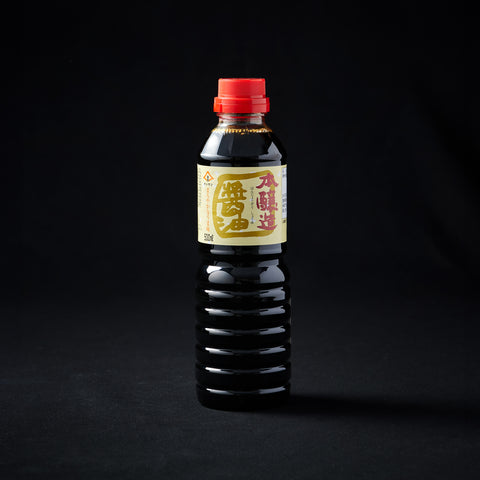
Shizuokake, Japanese Dark Soy Sauce, 500ml
From £4.99
Choose case size
Shizuokake, Japanese Dark Soy Sauce, 1L
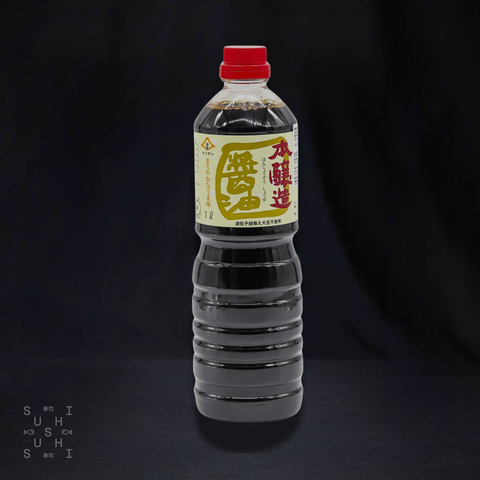
Shizuokake, Japanese Dark Soy Sauce, 1L
£6.99
Kōmi, Gluten Free, Japanese Tamari Soy Sauce, 1L


Kōmi, Gluten Free, Japanese Tamari Soy Sauce, 1L
£12.99
Shibanuma, Japanese Dark Soy Sauce, 18L
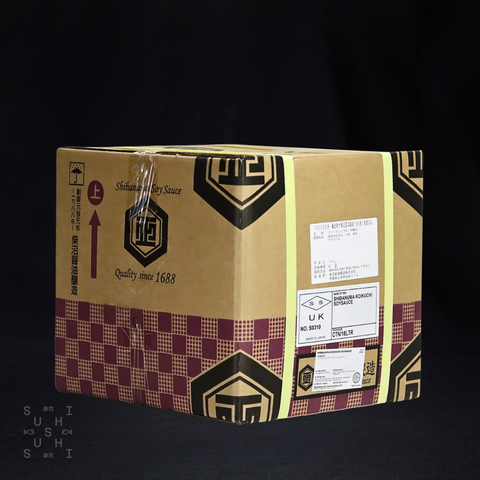
Shibanuma, Japanese Dark Soy Sauce, 18L
£69.99
Shibanuma, Barrel-Aged Unpasteurised Soy Sauce, 300g
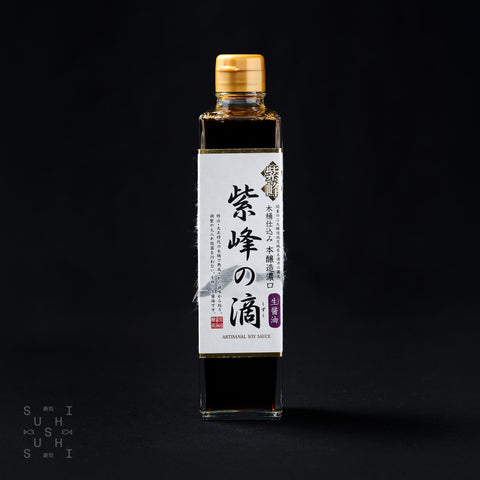
Shibanuma, Barrel-Aged Unpasteurised Soy Sauce, 300g
From £8.99
Choose case size

Yamashin, White Soy Sauce, 900ml


Yamashin, White Soy Sauce, 900ml
£16.99
Sashikomi, 4 Year, Double Aged Soy Sauce, 500ml
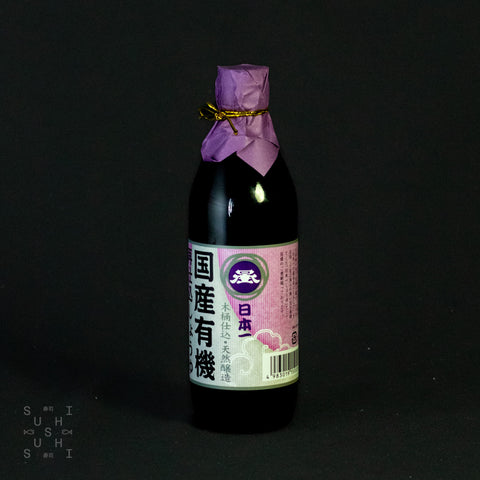
Sashikomi, 4 Year, Double Aged Soy Sauce, 500ml
£22.99
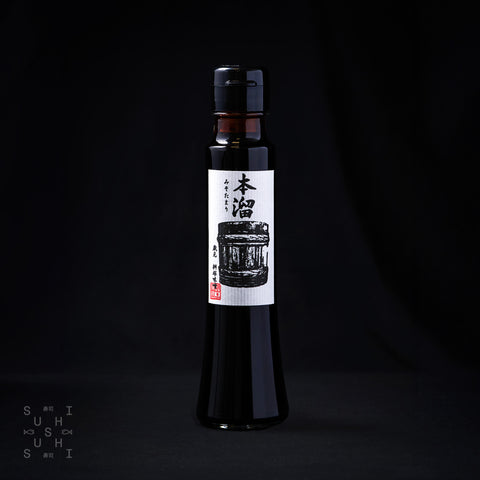
Matsuya, Awaya, 10-year-aged Soy Sauce, 150ml


Matsuya, Awaya, 10-year-aged Soy Sauce, 150ml
£19.99
Kajita 4 Year Aged, Double Brewed, Soy Sauce 300ml BBD (10/09/26)


Kajita 4 Year Aged, Double Brewed, Soy Sauce 300ml BBD (10/09/26)
£16.49
£32.99
Sale -50%
Shibanuma, Gluten Free Tamari Soy Sauce, 18L
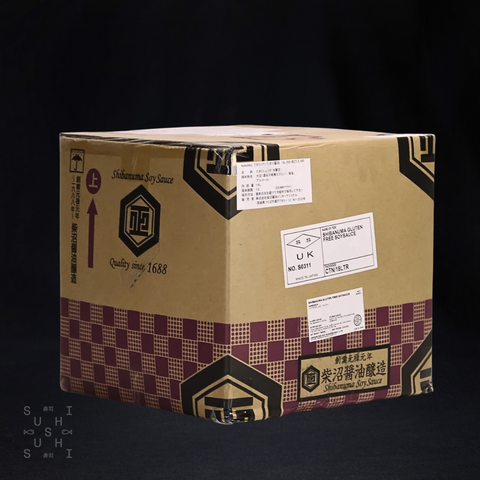
Shibanuma, Gluten Free Tamari Soy Sauce, 18L
£99.99
Sold Out
Shibanuma, 2-Year Aged Soy Sauce with Dashi, 1L
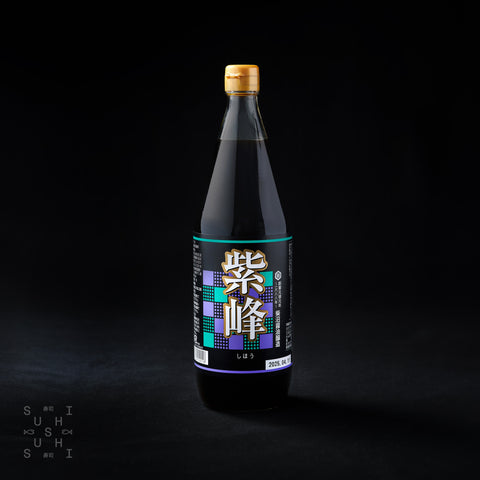
Shibanuma, 2-Year Aged Soy Sauce with Dashi, 1L
£19.99
Sold Out
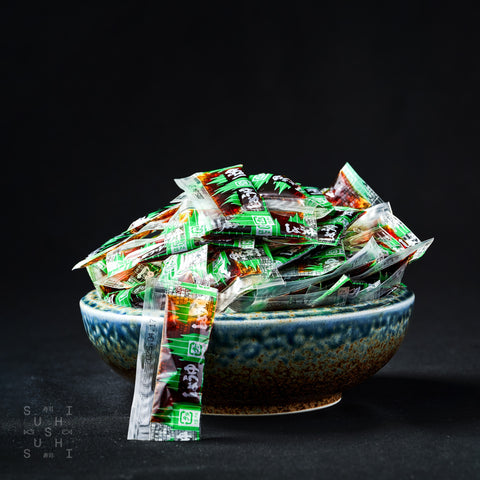
Kōmi, Fish Shaped Soy Sauce Sachets, x 500
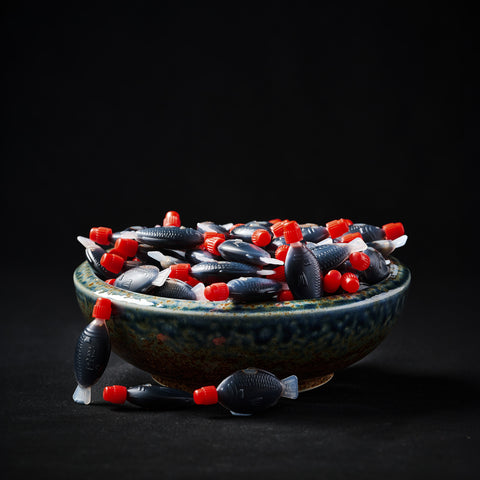
Kōmi, Fish Shaped Soy Sauce Sachets, x 500
£39.99
Sold Out
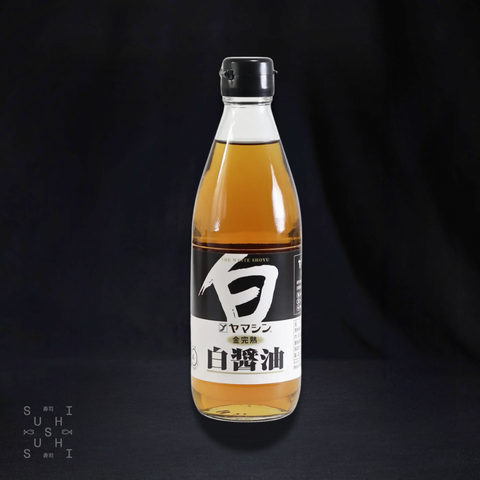
Kajita, Double Brewed Soy Sauce, 4-Year Aged, 300ml
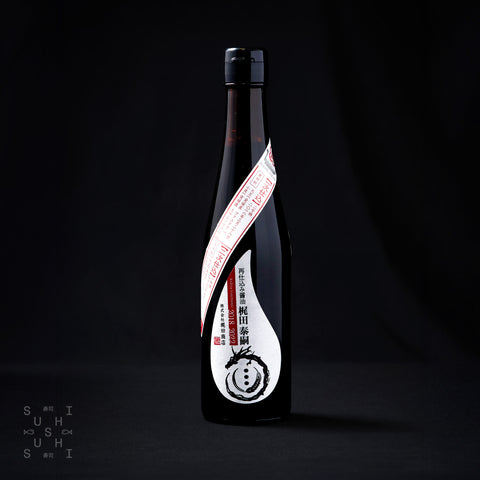
Kajita, Double Brewed Soy Sauce, 4-Year Aged, 300ml
From £34.99
Sold Out