
Kewpie Mayo: The Iconic Japanese Condiment
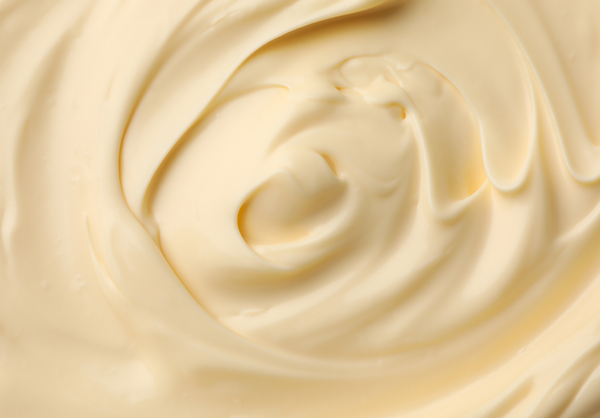
Japanese cuisine is renowned for its delicate flavours, precise techniques, and harmonious presentation. And nestled among the array of condiments that add depth and richness to these dishes is Kewpie Mayo, a creamy and flavourful mayonnaise that has become an essential component of Japanese cooking.
In this article, we delve into the world of Kewpie Mayo, exploring its history, unique characteristics, and the ways it enhances the culinary experience of Japanese cuisine!

History
Kewpie Mayo traces its roots back to 1925 when it was first introduced in Japan by the Kewpie Corporation. Inspired by their adorable cherub mascot, they crafted a bottle with a red cap and a playful label that became instantly recognisable. Its popularity skyrocketed, and today, Kewpie Mayo is a staple in Japanese households and restaurants alike!
Kewpie Uniqueness
What sets Kewpie Mayo apart from regular mayonnaise is its rich and creamy texture, as well as its uniquely umami-infused flavour. The ingredients strike the perfect balance between tanginess and richness which adds a savoury depth that complements a wide range of Japanese dishes, for classics like sushi rolls, tempura, and yakisoba.
Fusion Cuisine
While Kewpie Mayo is deeply rooted in Japanese cuisine, it has also found its way into fusion cooking, offering a unique twist to international dishes. From drizzling it over burgers and sandwiches to using it as a dip for fries, Kewpie Mayo adds a touch of umami and creaminess that elevates the flavour profile!

Did you Know?
Kewpie Mayo is not just for savoury dishes! It is can be incorporated into desserts, such as cakes and pastries, to add moisture and a subtle richness. Its versatility extends beyond the realm of savoury foods, surprising taste buds with delightful sweet treats!
CLICK HERE TO GET YOUR KEWPIE FIX
What actually makes it different
The main differences come down to ingredients. Japanese mayonnaise is made using only egg yolk rather than the whole egg, and rice vinegar instead of wine vinegar. This gives it a creamier, richer texture and a slightly more sour taste than Western mayonnaise. The squeezable bottle also keeps air out and helps the mayo stay fresher for longer.
Two popular sauces are built from it: mayo-pon, a mix of mayonnaise and ponzu often served with chicken katsu, and aurora sauce, a blend of mayonnaise and ketchup used with prawns and avocado salad.
Cooking uses for Kewpie mayo
- Coat prawns in mayonnaise and panko breadcrumbs, then grill for a lighter take on ebi fry.
- Marinate chicken in mayo and soy sauce before battering for juicier, more tender karaage.
- Add a spoonful to beaten eggs for a softer omelette, or to pancake batter for a spongier texture.
- Mix a little into rice before frying to keep the grains separate in fried rice.
- Stir into yakisoba noodles while frying, before adding the sauce, for a richer flavour.

