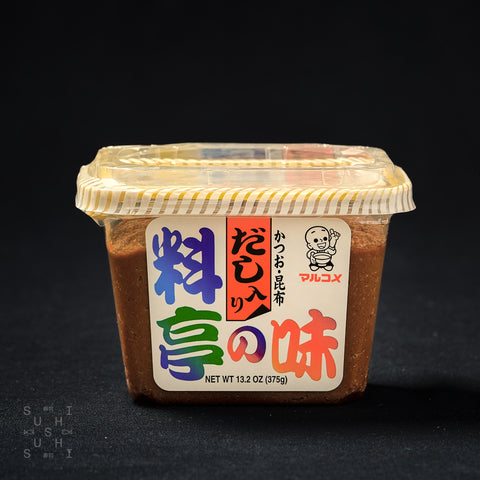
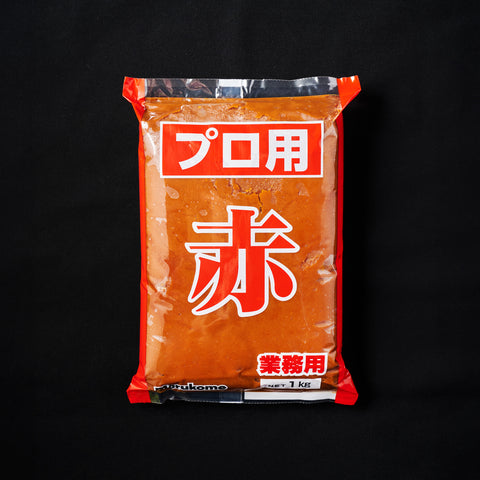
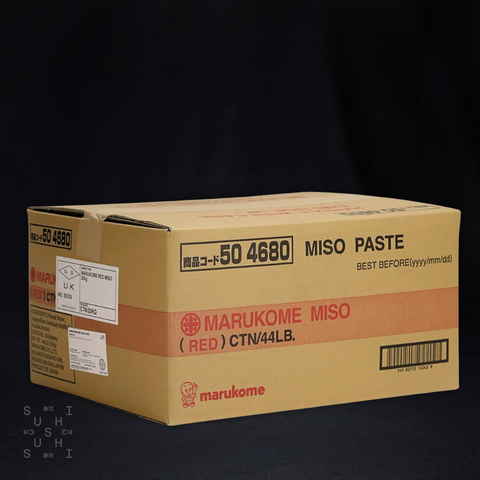
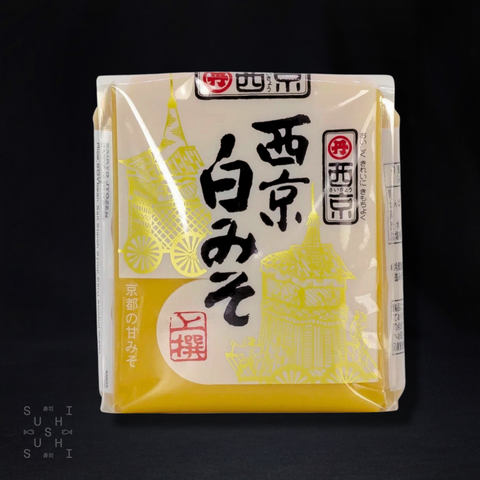
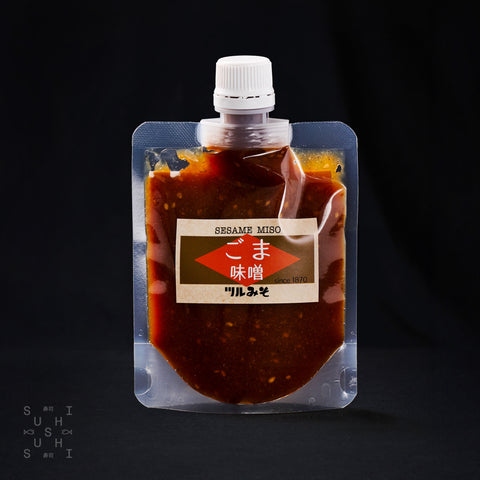
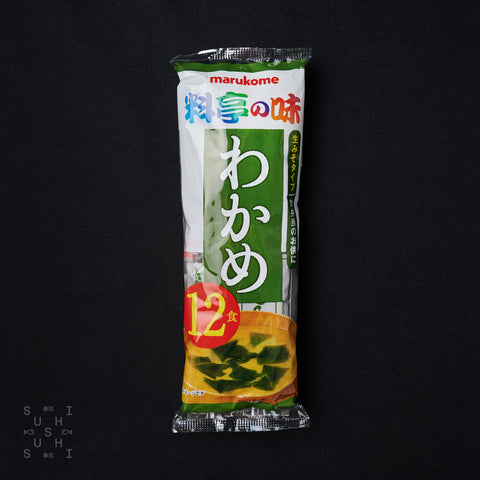
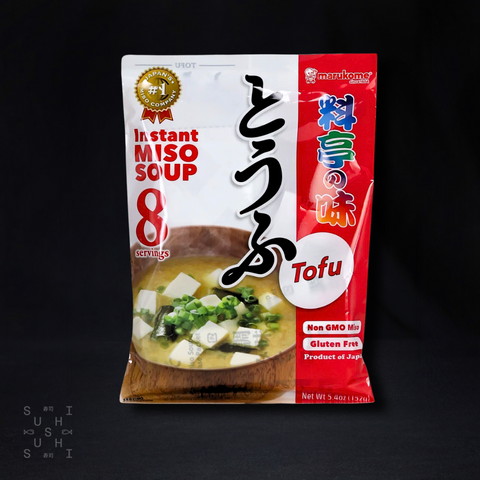
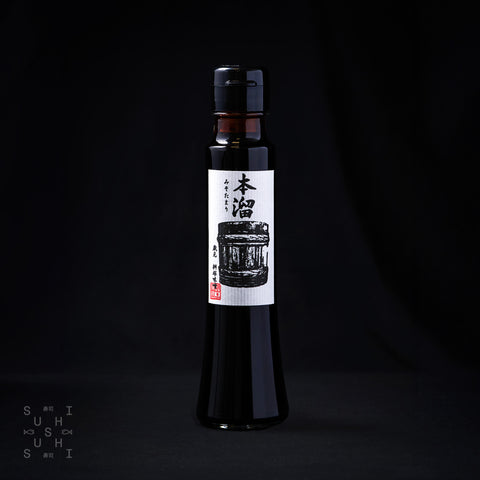
Miso (味噌) is a salted fermented paste made from soybeans, salt and koji — a malt culture grown on
Miso (味噌) is a salted fermented paste made from soybeans, salt and koji — a malt culture grown on rice, barley or soybean. Rice-malt miso (kome-miso) accounts for 82% of Japanese production. It carries deep umami and ranges from light and sweet to dark and savoury, depending on how long it ferments and what grain it is made with.
It is the base of miso soup, but it does far more. Use it to marinate fish and meat, build dressings and glazes, season sauces, and add backbone to braises. A spoonful even works in caramel and ice cream.
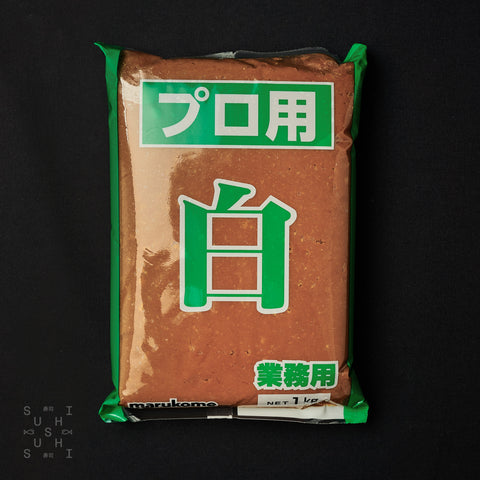
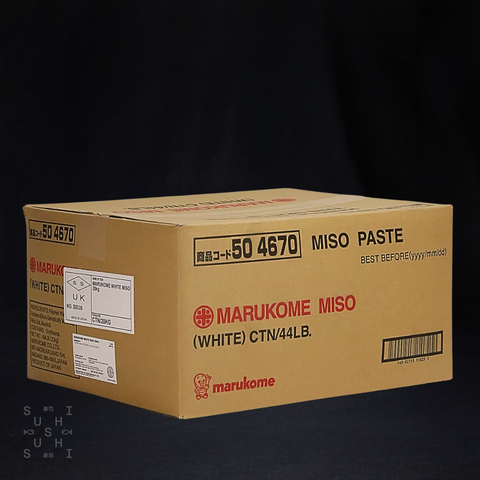
The classification that matters most in the kitchen is colour. White miso (shiro) is short-fermented and runs at roughly 4% salinity — sweet, pale, suited to emulsifications, marinades and any application where low salt and no colour impact are assets. Red miso (aka) is longer-fermented, closer to 9.5% salinity, and delivers the deeper savour that holds its ground in ramen broths, braises and glazes. Akadashi is a formal blend — red miso plus soybean miso — darker and more concentrated still.
The main types we stock:
Shiro (white miso): light, sweet, short ferment. The everyday workhorse.
Aka (red miso): same base as shiro, fermented longer. Stronger and saltier.
Saikyo: sweet rice koji miso, pale and delicate. The classic for marinating black cod.
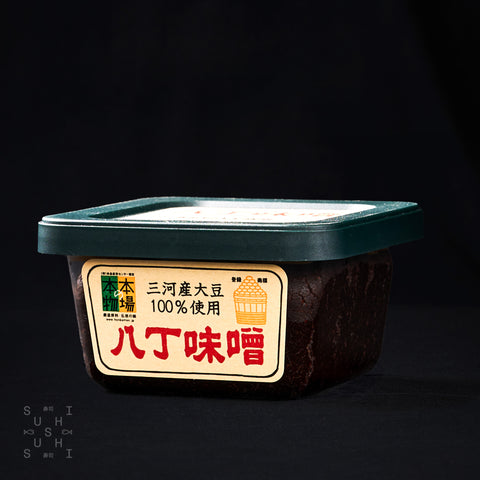
Hatcho: pure soybean miso, dark and intense.
Genmai: brown rice miso, nutty and rounded.
Awase: a blend of two or more misos.
Producers sourced from Nagano — Japan's primary miso region, producing roughly a third of national output — and Hyogo. We supply miso to ten of the UK's three-star Michelin kitchens. Find the one for your dish below.