
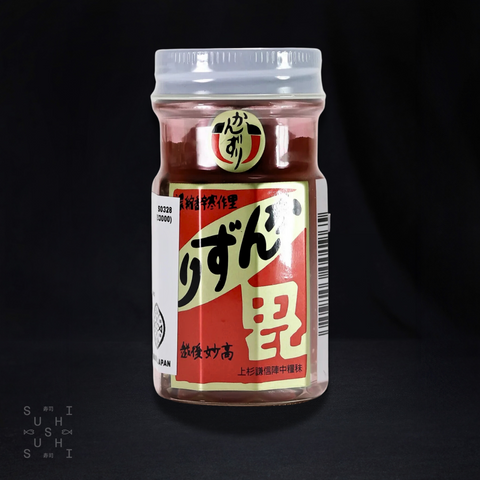
Kanzuri, Snow-Aged Chilli Paste (Red Yuzu Kosho), 3 Year Aged, 47g
Three Winters in the Snow. One Company Makes Kanzuri. No Alternative Exists.
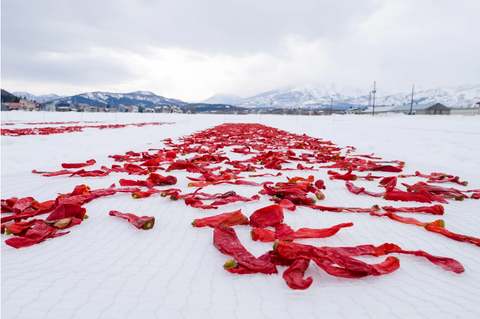
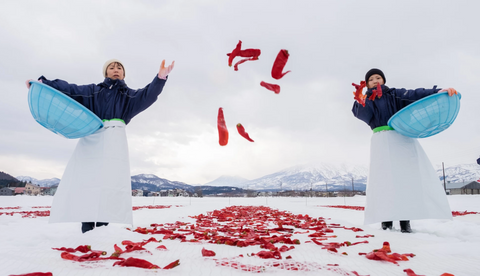
In Niigata, winter is the mechanism. Tōgarashi chillies are harvested in summer, salted through autumn, and in midwinter they are scattered on fresh-fallen snow for three to four days in a process called yuki-sarashi (雪さらし — snow bleaching). The cold draws out bitterness from the raw pepper while concentrating its natural sweetness. After snow-ageing, the chillies are blended with yuzu rind, rice koji and salt in barrels that breathe with Niigata's seasons — sweltering summers and deep-freezing winters — and left to ferment for a minimum of three years. Kanzuri Co. Ltd. in Echigo Myōkō is the only producer in the world that makes this. There is no substitute, no alternative brand, no industrial version. The price reflects three years of production cycle, a single site, and a seasonally constrained process that cannot be accelerated.
Why Chefs Choose This
- Single-producer rarity: Made exclusively by Kanzuri Co. Ltd. in Myōkō, Niigata — there is no generic version or alternative supplier. When a kitchen puts this on the menu, no competitor can source the same thing
- 3-year fermentation depth: Most chilli pastes are made and sold within weeks. Three years of barrel ageing develops a complexity that sits closer to aged miso than to standard chilli sauce — umami depth, sweetness from the koji, and a rounded heat that builds slowly
- Koji-driven umami: Rice koji adds a fermented backbone that bridges Japanese and Western flavour profiles — the result is a condiment that reads as savoury and complex rather than just hot
- Menu storytelling: The snow-ageing process and the Uesugi Kenshin provenance story are genuinely unusual — a chef can explain both in one sentence on a menu and the table will remember them
How to Use
- Nabe and hot pot: Stir a half-teaspoon into the broth or place a small mound at the table — the traditional Niigata use that kanzuri was developed for
- Grilled proteins: Dot onto yakitori, grilled sea bass, pork belly or steak at the pass — the paste caramelises under the grill and the citrus note cuts through rendered fat cleanly
- Harissa or gochujang substitute: Wherever you reach for harissa or gochujang — marinades, dressings, compound butters — kanzuri works in the same register with a cleaner citrus character and greater depth
- Finishing condiment: Whisk into beurre blanc, vinaigrette or mayonnaise; press through a fine sieve for a smooth sauce component; or serve as-is alongside oysters, sashimi, or charcuterie
かんずり — Kanzuri and the Snow
Niigata Prefecture on Japan's Sea of Japan coast receives some of the heaviest snowfall of any inhabited region on earth. The snowfall is not incidental to kanzuri — it is the mechanism. The yuki-sarashi process (雪さらし, literally "snow bleaching") was developed as a winter-specific step in the production of a regional chilli condiment, and it cannot be replicated without the right snow: fresh-fallen, cold, and in sufficient depth to bury the scattered chillies. The history of tōgarashi cultivation in Echigo (old Niigata) is linked by local tradition to Uesugi Kenshin, the sixteenth-century warlord who ruled the region, and who is said to have introduced the pepper to the territory through trade contact. Whether or not the attribution is historical, the association locates kanzuri within a longer regional food culture rather than as a modern product. The three-year minimum fermentation is the standard set by the current production process — some batches are aged for six years, which produces a noticeably more rounded result. The 47g glass jar is the standard commercial format; glass and a sealed lid are required to preserve the aromatic compounds that make kanzuri what it is.
What does kanzuri taste like?
The first impression is savoury and mildly sweet — the koji fermentation gives it a depth that is closer to miso than to fresh chilli paste. The heat arrives slowly, building over ten to fifteen seconds rather than hitting immediately. The yuzu rind contributes a clean, floral citrus note that lifts the finish. There is no sharpness or rawness: three years of fermentation has rounded every edge. The overall character is complex and umami-rich in a way that makes it function as a seasoning rather than just a heat source. Compared to fresh yuzu kosho (which is bright, sharp, and immediate) or to gochujang (which is sweet-forward and smoky), kanzuri occupies its own register — fermented chilli with citrus and koji depth that neither of those pastes has.
Product Details
| Product Type | かんずり — Snow-Aged Fermented Chilli Paste |
| Brand / Producer | Kanzuri Co. Ltd. |
| Ageing | 3 years minimum |
| Key Process | Yuki-sarashi (雪さらし) — snow-bleaching of chillies before fermentation |
| Origin | Echigo Myōkō, Niigata Prefecture, Japan |
| Net Weight | 47g |
| Format | Glass jar |
| Storage | Refrigerate after opening |
What is the difference between kanzuri and yuzu kosho?
Both are Japanese chilli-citrus pastes, but the production and flavour profile are fundamentally different. Yuzu kosho is a raw paste of fresh chilli, yuzu zest, and salt — bright, sharp, and immediately punchy. Kanzuri undergoes a multi-year fermentation with rice koji after its chillies have been snow-aged, producing a rounder, deeper, more umami-rich result with a sweetness that yuzu kosho does not have. Think of it as the difference between a fresh salsa and a long-aged hot sauce — same family, entirely different character. Kanzuri also carries historical weight: local tradition traces its origins to Uesugi Kenshin, the sixteenth-century warlord of Echigo, who is said to have introduced tōgarashi cultivation to the region.
Why is kanzuri so expensive compared to other chilli pastes?
Three factors. First, the production cycle spans years, not days — chillies are planted in spring, harvested in summer, salted through autumn, snow-aged in winter, then fermented for a minimum of three years before release. Second, it is made by a single company in Myōkō, Niigata, using locally grown tōgarashi — there is no industrial-scale alternative. Third, the snow-ageing step (yuki-sarashi) can only happen during Niigata's heavy snowfall season, making production seasonally constrained. The price reflects genuine time, scarcity, and craft.
Can kanzuri replace harissa or gochujang in recipes?
It can, with caveats. Kanzuri occupies similar territory — fermented chilli paste with depth beyond raw heat — but it is less smoky than harissa and less sweet than gochujang. It works best as a 1:1 substitute in dressings, marinades, and finishing applications where you want a cleaner citrus note. For slow-cooked dishes where harissa or gochujang melt into the background, kanzuri's subtlety may get lost. Use it where the paste will be tasted directly — a dot on grilled meat, whisked into a vinaigrette, or stirred into butter.
SKU : S0328