




Kōmi, Gluten Free, Japanese Tamari Soy Sauce, 1L
The gluten-free soy that does not taste like a compromise: Kōmi tamari, deep and round, in a 1L bottle for the whole kitchen.
Most gluten-free soy sauces taste like a concession. Tamari does not, because it was never a substitute in the first place. Kōmi's gluten-free tamari is a Japanese soy sauce brewed with little or no wheat, which is what makes it wheat-free, and it is also deeper, rounder and more savoury than standard soy, with a thicker body and a softer edge to the salt. One bottle serves coeliac guests and lifts everything else too. It is the gluten-free soy on order at one-Michelin-star Plates.
Why Chefs Choose This
- Wheat-free: brewed with little or no wheat, so it serves gluten-free guests
- Deeper, rounder flavour: thicker-bodied and more savoury than standard soy, with a softer salt
- One bottle, two jobs: a gluten-free option that also improves the food
- Trusted in fine dining: on order at one-star Plates, whose kitchen builds menus around dietary precision
How to Use
- Dipping: its richer body makes an excellent sashimi and sushi dip
- Finishing: a few drops to season and add umami at the end of cooking
- Glazes and sauces: the thicker texture clings well to teriyaki-style glazes and dressings
- Gluten-free cooking: a straight swap for soy anywhere a dish has to stay wheat-free
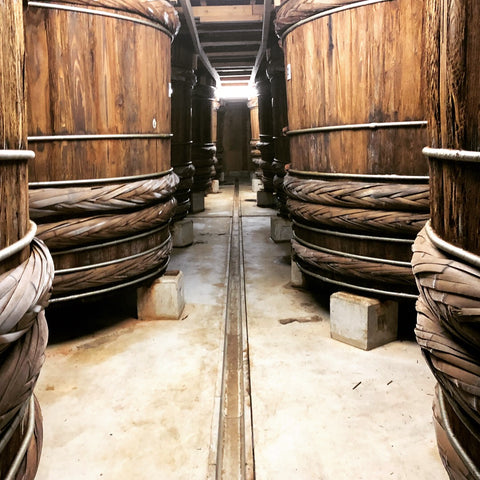
Tamari (たまり) predates the everyday soy most people know. It began as the rich liquid that pools from soybean miso as it matures: a soy sauce made mostly or entirely from soybeans with little or no wheat. That is why tamari is typically gluten-free, and why it tastes the way it does, thicker, darker and more intensely savoury than wheat-heavy koikuchi (濃口). In Japan it is prized as a dipping soy for sashimi because that depth flatters raw fish. This one is made for Kōmi by a family that has brewed soy for eighteen generations, still using traditional wooden-barrel fermentation. The Kōmi range also includes a gluten-free teriyaki sauce, soy sauce sachets (x400) and fish-shaped soy sachets (x500).
Learn more: Soy Sauce: the SushiSushi guide
What is the difference between tamari and regular soy sauce?
Mainly wheat. Standard Japanese soy sauce (koikuchi) is brewed from roughly equal parts soybeans and wheat, which gives a sharper, saltier, more alcoholic aroma. Tamari uses mostly or only soybeans, so it is usually gluten-free and comes out thicker, darker and more deeply savoury, with a smoother, rounder finish. It clings better to food, makes a richer dipping soy, and seasons with more umami and less harsh salt. Many chefs reach for it even when gluten is not a concern.
Product Details
| Type | Tamari soy sauce (たまり), gluten-free |
| Brand | Kōmi |
| Brewer | Eighteenth-generation family soy brewery, wooden-barrel fermented |
| Character | Deep, rich, thick-bodied; softer salt than koikuchi |
| Best For | Sashimi dipping, finishing, glazes, gluten-free cooking |
| As Used At | Plates (one Michelin star) |
| Volume | 1L bottle |
| Origin | Japan |
Is tamari always gluten-free?
Tamari is traditionally made with little or no wheat, which is why it is generally gluten-free, and this Kōmi tamari is produced as a gluten-free soy sauce. Anyone serving coeliac guests should still check the label and allergen information on the bottle before serving. For a kitchen, it is the dependable way to keep soy in a dish while taking gluten off the table.
Can I use tamari anywhere I would use soy sauce?
Largely, yes. Tamari is richer and less sharply salty, so it reads as deeper and rounder in a dish. Use it as a direct swap for dipping, seasoning, glazes and marinades. Start like for like and adjust to taste, as you may want a touch less to reach the same level of seasoning.
How should I store it?
Keep it sealed in a cool, dark place. Like all soy sauce it is best kept away from sunlight and heat, which dull the flavour over time. Refrigerating after opening is not essential but helps keep the aroma fresh, especially in a busy kitchen where the bottle is opened often.
Ingredients and allergens
Ingredients: Soybeans, water, salt, ethanol.
Allergen information is taken from the manufacturer's import specification; always check the pack before use.
SKU : K0000