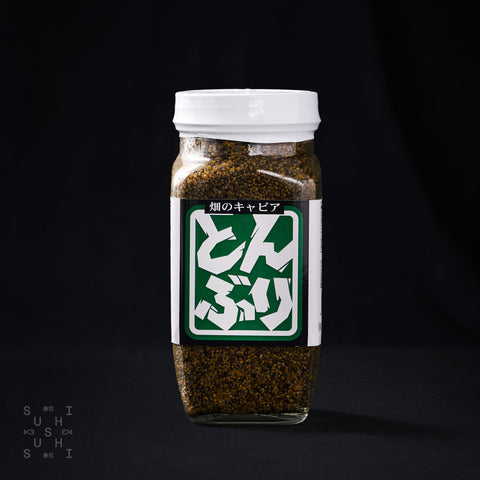
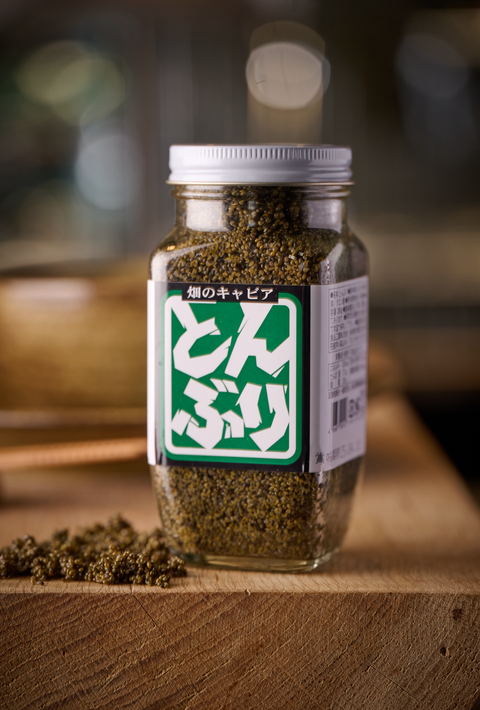
GFC, Tonbori (Land Caviar), 280g
Discontinued by the manufacturer — this is the final stock.
Tonburi (とんぶり) is the seed of the kochia plant, harvested once a year in Akita Prefecture, northern Japan. When blanched and hulled, each seed is small, spherical, and glossy green — close enough to fish roe in appearance and texture that chefs at three-Michelin-star restaurants have built courses around it. The Fat Duck in Bray used it for exactly that reason. Eleven Madison Park in New York placed it on their tasting menu when they made the most scrutinised move in fine dining of the last decade: going entirely plant-based in 2021. Tonburi delivered the caviar experience without a single animal product. We supply Kirk Howarth Plates in London, and tonburi has featured on Great British Menu multiple times. The flavour is clean and mild. The value is textural and visual — which is why it remains one of the most versatile garnishes in the Japanese larder.
Why Chefs Choose This
- Visual caviar substitute with no animal product — delivers the look and texture of fish roe in plant-based tasting menus
- Strictly seasonal, harvested once a year in Akita — scarcity makes it a genuine talking point on the pass
- Flavour-neutral — takes on surrounding sauces and dressings without competing; the texture does the work
- GFC packs in 280g jars — practical quantity for mise en place, consistent pearl size across the jar
How to Use
- Garnish on sashimi, nigiri, or crudo courses as a textural counterpoint to soft fish flesh
- Plant-based caviar course — spoon onto blini or potato rounds with crème fraîche or vegan alternatives
- Topping for cold noodles, chawanmushi, or silken tofu — the pearls hold their shape under light sauces
- Garnish for tartare, ceviche, or scallop carpaccio where you want visual pop without flavour interference
Tonburi has been cultivated in Akita Prefecture for over four hundred years. The kochia plant — sometimes called burningbush for the way its foliage turns red in autumn — produces small green seeds that are harvested in late summer before processing removes the outer husk. The name tonburi is believed to derive from a resemblance to the roe of the flying fish, though the comparison that stuck in the international culinary imagination came from Heston Blumenthal, who put it on the Fat Duck menu and called it land caviar. That name has followed the ingredient ever since. Annual production in Akita is small and the harvest window is short; the 280g jar from GFC represents a reliable, graded supply of what would otherwise be very difficult to source consistently in the UK.
What does tonburi taste like?
Mild and clean, with a very faint vegetable note. The main experience is textural: a firm, slightly waxy pop similar to fish roe, without the brine or fishiness. Chefs use it where they want caviar texture and visual luxury without introducing a competing flavour.
| Product | GFC Tonburi Land Caviar |
| Size | 280g jar |
| Origin | Akita Prefecture, Japan |
| Producer | GFC |
| Season | Harvested late summer; year-round availability in jar form |
| SKU | S0236 |
Is tonburi really a substitute for fish roe?
In texture and appearance, yes — the pearls are similar in size and have the same firm pop as small fish roe. The flavour is quite different: there is no brine, no fishiness, and very little flavour of its own, which is actually useful. It lets the surrounding dish lead. Whether that makes it a true substitute depends on what you need it to do. For visual luxury and textural contrast in a plant-based context, it works exceptionally well. For the sea flavour of caviar, it does not replicate that.
How should tonburi be stored and how long does it keep?
Unopened, the 280g jar keeps at ambient temperature until the best-before date printed on the lid. Once opened, refrigerate and use within a week. The pearls can be rinsed gently under cold water before service if you prefer to remove any residual packing liquid. They do not hold well once dressed or sauced — add them at the last moment.
Where does SushiSushi source tonburi?
From GFC, who supply graded tonburi from Akita Prefecture. Akita is the principal growing region — tonburi has been cultivated there for roughly four centuries and the local production infrastructure is well established. GFC produce a consistent pearl size across the jar, which matters for presentation. We import directly to the UK and supply to professional kitchens; individual jars are available through this website.
SKU : S0236