American Mayo vs Japanese Mayo: What's the Difference?
Squeeze a line of Kewpie next to a squeeze of Hellmann's and the difference is obvious before you even taste it — one is pale and stiff, the other is a deep ivory and pours like silk. The gap isn't branding. It comes down to what's actually in the bottle, and it's worth knowing before you decide whether the extra cost is worth it.
What makes Japanese mayo different from American mayo?
American mayo is made with whole eggs (yolk and white), a neutral vinegar, and oil. Japanese mayo — and Kewpie specifically, since it's the brand that defines the category — is made with egg yolks only, rice vinegar instead of distilled vinegar, and a small amount of MSG.
Those three swaps explain everything you notice on the plate:
- Egg yolks only → a richer, custard-like texture and a deeper colour. Whites are mostly water and protein; dropping them concentrates the fat and emulsifiers that make mayo taste like mayo.
- Rice vinegar, not distilled vinegar → softer, rounder acidity. Distilled vinegar (the American default) is sharper and more one-note; rice vinegar brings a gentle sweetness alongside the tang.
- MSG → the umami hit that makes Kewpie taste "more savoury" than people can immediately place. It's the same compound that makes dashi, parmesan and ripe tomatoes taste deep rather than just salty.
The result is a mayo that's silkier in texture, rounder in acidity, and more savoury than sharp — which is why it works so well brushed onto grilled dishes or drizzled over vegetables where an American mayo would just taste flat and eggy by comparison.
Is Kewpie actually worth it over Hellmann's?
If you're using mayo as a sandwich spread, the difference matters less — both do that job fine. Where Kewpie earns its price is anywhere the mayo is a genuine flavour component rather than a background binder: potato salad, okonomiyaki, karaage dipping sauce, or drizzled straight over corn or grilled asparagus. In those uses, the umami and the smoother acidity actually change the dish, not just the mouthfeel.
It's also worth knowing before you buy: Kewpie is not egg-white-free by accident, and it isn't vegan — it's built around yolks specifically. If you're cooking for someone avoiding MSG, this isn't the mayo for that meal either. Otherwise, the extra cost buys a genuinely different ingredient, not just a fancier label on the same thing.
What do I actually use it on?
- Okonomiyaki and takoyaki — the classic zig-zag drizzle; the umami is doing real work here, not just garnish.
- Karaage (Japanese fried chicken) — as a dip, it cuts the richness of the fry with tang rather than doubling down on fat.
- Grilled corn, asparagus, or any charred vegetable — the rounder acidity plays better with char than a sharper American mayo does.
- Sandwiches and potato salad — a straightforward one-for-one swap if you just want a smoother, more savoury version of what you already make.
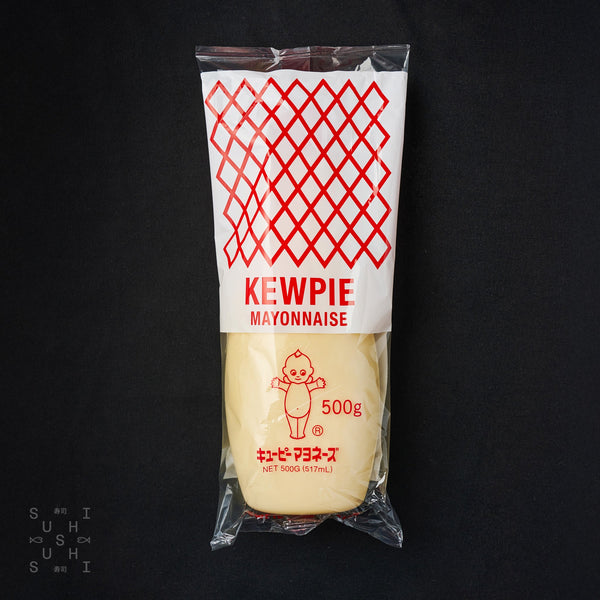
Kewpie, Mayonnaise, 450g — the only Japanese mayo we stock, and the one that shows up in every recipe above.
Shop it here: Kewpie Mayonnaise 450g. Browse the wider range: Japanese Sauces

