Japanese Alcohol: Sake, Shochu, Umeshu and Mirin Explained
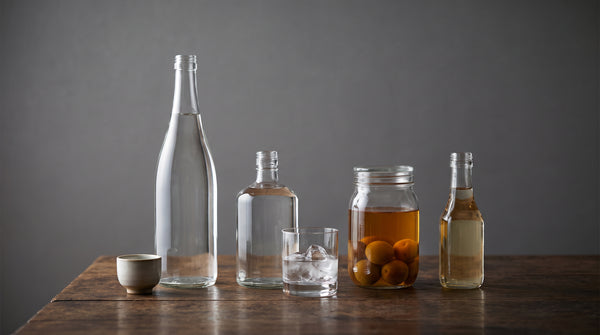
Japan makes a remarkable range of drinks from rice, and they are easy to muddle. Sake is brewed, shochu is distilled, mirin is a sweet rice seasoning, and umeshu is a fruit liqueur steeped on a rice-spirit base. This is the hub that pulls the whole family together and points you to the in-depth guide for each one.
What ties them together is koji, the mould that turns rice starch into fermentable sugar. It sits behind sake and shochu just as it sits behind miso and soy sauce, which is why Japanese drinks and Japanese seasonings are really one craft seen from two angles. Start here, then follow the links into each guide.
Sake: the brewed rice drink
Sake (日本酒, nihonshu) is brewed, not distilled, which puts it closer to beer than to wine. Its signature is multiple parallel fermentation, where koji turns starch to sugar at the same moment yeast turns sugar to alcohol, letting sake reach roughly 15 to 20% ABV. It is the foundation of the whole category.
Our full guide covers how sake is made, the grade ladder, the rice and water, and serving. Start with what sake is, then go deeper on sake grades and types and serving sake hot and cold.
Source: our sake, sake grades and sake temperature guides, each already gated and cited on its own published page.
Shochu: the distilled spirit
Shochu is Japan's traditional distilled spirit, made from barley, sweet potato, rice or other bases, fermented with koji and then distilled once. Honkaku shochu, the higher grade, is single-distilled and kept under 45% ABV, which preserves the character of whatever it is made from and makes it the distilled counterpart to sake.
Read the full story in our guide to what shochu is.
Source: our shochu guide, already gated and cited on its own published page.
Umeshu: the plum liqueur
Umeshu is a Japanese plum liqueur, made by steeping ume fruit in a rice spirit such as shochu or sake with sugar. It is an infusion, not a ferment, which is why it is sweet, low in strength and so approachable. It is usually sold alongside sake even though it is technically a liqueur.
More in our guide to umeshu.
Source: our umeshu guide, already gated and cited on its own published page.
Mirin and cooking sake: the kitchen rice alcohols
Not every Japanese rice alcohol is for drinking. Mirin is a sweet rice seasoning that adds gloss and gentle sweetness to a sauce, while cooking sake is a savoury one. They are constantly confused, and choosing the right one changes a dish.
See what mirin is and our side-by-side on cooking sake versus mirin.
Source: our mirin guide and our cooking sake vs mirin comparison, each already gated and cited on its own published page.
Frequently Asked Questions
What is the difference between sake and shochu?
Sake is brewed, like beer, and is usually around 15 to 20% ABV. Shochu is brewed and then distilled, like whisky, so it is a spirit and bottled stronger. Both use koji mould in fermentation, but only shochu is distilled. Sake is a brewed beverage; shochu is a distilled spirit.
Is mirin alcoholic?
Traditional mirin contains alcohol and is a rice alcohol used as a seasoning rather than a drink. It brings sweetness and shine to sauces and glazes. It is different from cooking sake, which is savoury rather than sweet, and the two are not interchangeable in a recipe.
Is umeshu a sake?
No. Umeshu is a plum liqueur made by steeping ume fruit in a rice spirit with sugar, so it is an infusion rather than a brewed sake. It is sweeter and lower in strength than sake, and is usually sold and served alongside it.
Shop Japanese drinks
Our range covers sake from everyday junmai to premium dai ginjo, plus shochu, umeshu and the kitchen rice alcohols, with fast UK delivery.
Drawn from our cited Masterclass guides to sake, shochu, umeshu and mirin. Each linked guide carries its own sources.

