
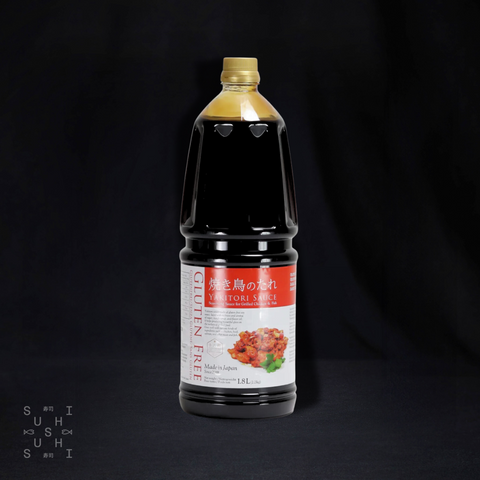
Shibanuma, Gluten Free Yakitori Sauce, 1.8L
A glossy yakitori glaze, built on real soy, made without wheat.
Yakitori sauce, or tare, is the sweet-savoury glaze brushed onto grilled skewers until they lacquer and shine. Shibanuma's is built on a tamari-style soy, so it is made without wheat while keeping the deep, savoury backbone a good tare needs. One 1.8L bottle for the grill section. It lacquers chicken, holds up over fire and serves coeliac covers without a separate sauce.
More from Shibanuma: barrel-aged soy sauce (300g), dark soy sauce (18L), 2-year dashi soy sauce, yuzu ponzu, unagi sauce, yakiniku sauce and sesame dressing.
Why Operators Choose This
- No wheat: built on a tamari-style soy, made without wheat.
- Glaze and shine: lacquers skewers to a glossy, caramelised finish.
- Real depth: a proper soy backbone, not just sweetness.
- Eighteen generations: from a family making soy in Ibaraki since 1688.
How to Use
- Yakitori: brush onto chicken skewers in the last minutes of grilling.
- Marinade: coat chicken, tofu or vegetables before cooking.
- Glaze: over grilled meats, meatballs (tsukune) and skewers.
- Dipping: serve alongside grilled dishes as a dip.
Yakitori (焼き鳥) means grilled chicken, and the tare (たれ) is the sweet soy glaze that defines it, soy sauce simmered with mirin, sake and sugar until it thickens to a syrup that clings to the skewer. This version is built on a tamari-style soy, which is made with little or no wheat, so the glaze is gluten-free without losing its savoury depth. Shibanuma Shoyu (柴沼醤油醸造) has brewed soy in Tsuchiura, Ibaraki, since 1688, eighteen generations of the same family, still fermenting in wooden barrels built in the Edo era, and it is that soy that gives the tare its backbone.
Learn more: Inside the 200-Year-Old Shibanuma Factory
What does yakitori sauce taste like?
Sweet and savoury in balance, with the deep, salty umami of soy carrying a glossy sweetness from mirin and sugar. It is thicker than a pouring soy, closer to a glaze, so it clings to the skewer and caramelises over the grill into a sticky, lacquered finish. The tamari base gives it a rounder, slightly richer character than a wheat-based tare. It tastes of the grill: caramelised, savoury and moreish, the flavour most people associate with good yakitori.
| Type | Yakitori tare 焼き鳥のたれ (sweet soy grilling glaze) |
| Brand | Shibanuma (brewing since 1688) |
| Origin | Japan (Tsuchiura, Ibaraki) |
| Net Volume | 1.8L |
| Best Used As | A glaze and marinade for grilled chicken and skewers |
When do I brush yakitori sauce on?
Late, and in coats. The sugars in the tare catch and burn over direct heat, so grill the skewers most of the way first, then brush on the sauce in the final minutes and let it caramelise, repeating two or three times for a deep lacquer. A common method is to dip the cooked skewer into the tare, return it to the grill briefly, and repeat. Keep a portion of sauce separate for dipping rather than double-dipping raw skewers into your main batch.
Is this yakitori sauce really gluten free?
It is built on a tamari-style soy, which is made with little or no wheat, so the sauce is produced as a gluten-free product. As with anything served to coeliac guests, always check the allergen information on the bottle itself before serving, as that is the legal source of truth. For a grill section it means one tare that can go on every skewer, including for guests who need to avoid wheat.
How should I store it after opening?
Keep the bottle refrigerated once opened and use within the period stated on the pack. Wipe the neck and reseal tightly between uses. Decant a working portion for brushing and dipping rather than dipping used brushes or raw skewers back into the main bottle, which keeps the sauce clean and good for longer across a busy service.
SKU : S0001