Japan recognises 45 kombu varieties. The four that matter commercially are Ma-Kombu, Rishiri, Rau
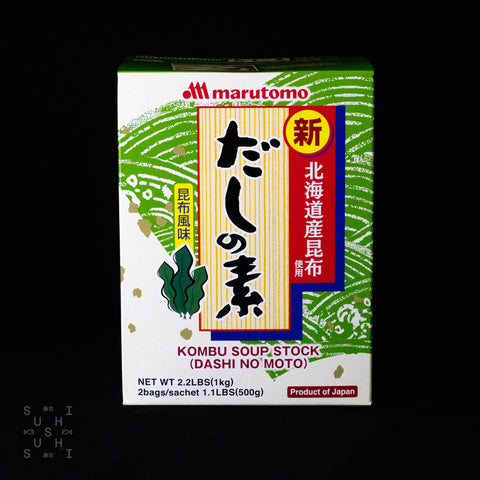
Japan recognises 45 kombu varieties. The four that matter commercially are Ma-Kombu, Rishiri, Rausu and Hidaka. Ma-Kombu — harvested from the Tsugaru Strait between southern Hokkaido and the Shimokita Peninsula in Aomori — is the highest grade: its dashi is clear, sweet and structurally savoury, with the highest natural glutamic acid content of the main varieties. The trade calls it the king of kombu.
Rishiri kombu produces a refined, clean dashi preferred in Kyoto-style cooking. Rausu kombu yields a richer, amber dashi with more body. Hidaka kombu is softer-leafed, better suited to simmered dishes and tsukudani than to dashi extraction.
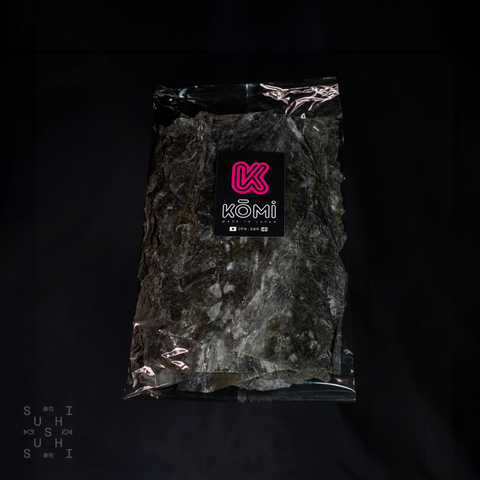
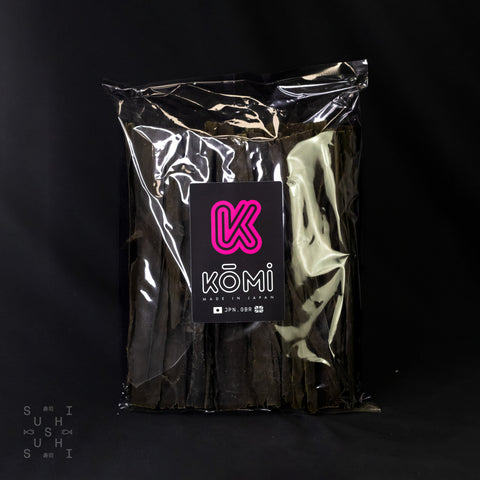
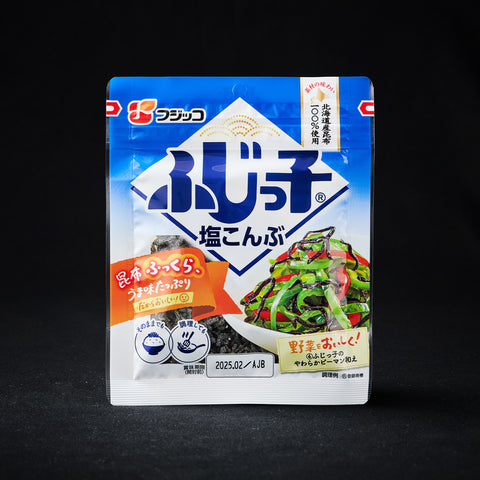
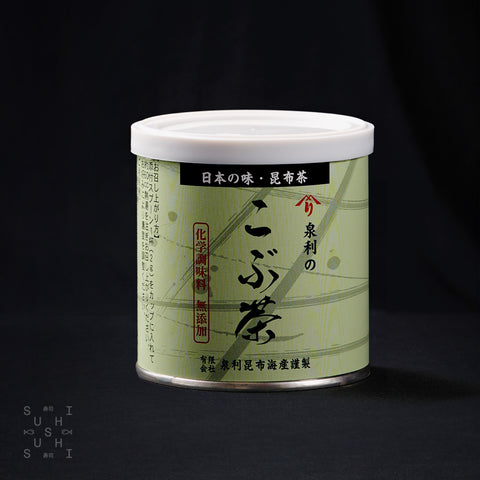
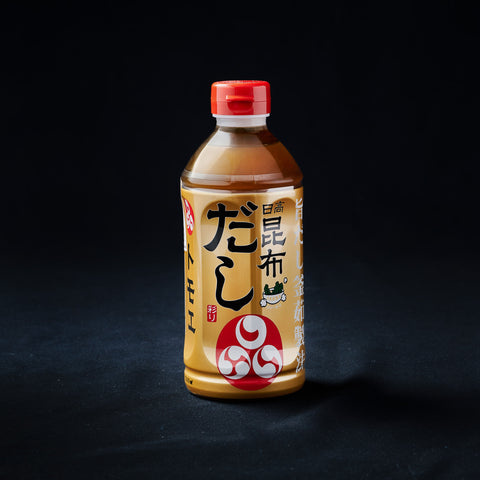
SushiSushi sources from NaniwaKombu, working with wild Ma-Kombu from two named harvesting beaches on the Hokkaido coast. Whole dried leaf for dashi. Processed forms — noodle-cut, roasted, pickled — also available for plating and cooking applications.