
Best Soy Sauce UK: 5 Picks for 2026
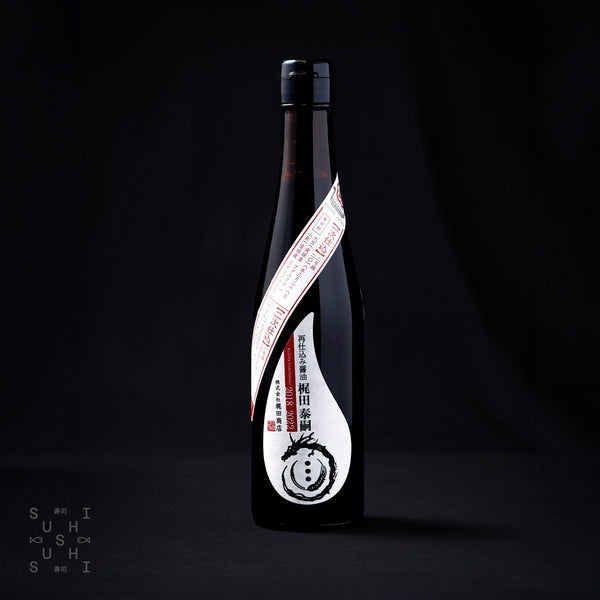
Soy sauce is not one thing. What you pour over sushi rice at home is rarely what a professional kitchen cooks and marinades with, and the two rarely swap well. This guide picks five soy sauces from craft Japanese brewers, ranked by what each is genuinely best for: everyday cooking, dipping, finishing, and catering volume, so you buy the right bottle for the job rather than one bottle for everything.
| Product | Best For | Price | Link |
|---|---|---|---|
| Shizuokake Dark Soy Sauce 1L | Everyday cooking and marinades | See price | Shop now |
| Horaiya Koji Soy Sauce 340ml | Dipping sashimi and sushi | See price | Shop now |
| Shibanuma Barrel-Aged Unpasteurised Soy Sauce 300g | Finishing raw fish and tofu | See price | Shop now |
| Noda Miso Liquor Soy Sauce 100ml | A rare finishing drizzle | See price | Shop now |
| Shibanuma Dark Soy Sauce 18L | Catering and high-volume kitchens | See price | Shop now |
1. Shizuokake Dark Soy Sauce 1L: Best for everyday cooking
A traditional koikuchi (dark, all-purpose) soy from Shizuoka, brewed from soybeans, wheat, salt and water. This is the bottle for marinades, stews and stir-fries, with a slightly sweet, strong umami character.
- Traditional fermentation, koikuchi style
- Rich, deep flavour that holds up in cooked dishes
- 1L keeps a busy home kitchen stocked
Not for: a delicate finishing drizzle over sashimi, where a lighter or barrel-aged soy suits better.
2. Horaiya Koji Soy Sauce 340ml: Best for dipping sashimi and sushi
A dark soy refermented with Horaiya's own rice koji, from a koji house brewing in Fukushima since 1906. It pours thicker and tastes rounder and sweeter than a standard soy, built to dip rather than cook.
- Refermented with rice koji for a rounder, sweeter depth
- Thick enough to coat sashimi and tofu rather than run off
- Visible koji grains: shake before use
Not for: cooking into a hot pan, where its sweetness and body are wasted; keep it for the table.
3. Shibanuma Barrel-Aged Unpasteurised Soy Sauce 300g: Best for finishing raw fish and tofu
Shibanuma's nama shoyu, unpasteurised and matured in wooden barrels by a family brewing in Ibaraki since 1688. Unheated, so it keeps a livelier aroma and a smooth, rounded sweetness.
- Unpasteurised: no heat-finishing step, more aroma retained
- Barrel-fermented for layered umami
- A premium dipping and finishing soy for white fish
Not for: everyday cooking volume; it's a finishing soy, priced and portioned as one.
4. Noda Miso Liquor Soy Sauce 100ml: Best for a rare finishing drizzle
A hon tamari soy that forms naturally on the surface of Hatcho miso during its 18-month ageing, in yields of only 3-5 litres per tonne of miso. High nitrogen concentration means intense savoury flavour from a small amount.
- Naturally formed, not brewed as a standalone soy
- Exceptionally concentrated: a little goes a long way
- 100ml bottle reflects its scarce production
Not for: general cooking or anyone wanting a large, everyday bottle; this is a specialist's finishing splash.
5. Shibanuma Dark Soy Sauce 18L: Best for catering and high-volume kitchens
The same traditional koikuchi brewing as Shibanuma's smaller bottles, in an 18L catering cube. Built for kitchens that go through soy sauce fast and want craft depth at that volume.
- 18L cube: lower cost per litre for busy kitchens
- Traditionally brewed, so it beats a commodity catering soy on flavour
- All-purpose: cooking, marinades, tare and dipping
Not for: a home kitchen or anyone who wants a small bottle; decant into a smaller bottle for daily use.
How to choose a soy sauce
Koikuchi vs tamari
Koikuchi is the standard dark soy, brewed from roughly equal parts soybeans and wheat. Tamari is made mostly or only from soybeans, so it is usually gluten-free, thicker and darker, with a softer salt.
Cooking soy vs finishing soy
A cooking soy like Shizuokake's is built to go into a hot pan; its flavour is meant to reduce and blend. A finishing soy like Horaiya's or Shibanuma's barrel-aged bottle is built to be tasted directly, so its character is stronger and more expensive per millilitre.
Pasteurised vs unpasteurised (nama)
Most soy is pasteurised, heated at the end of production to stabilise it. Nama (unpasteurised) soy skips that step, keeping more aroma and natural enzymes, but is more delicate and best refrigerated once opened.
Bottle size and format
Small bottles (100-340ml) suit finishing soys used sparingly. Catering cubes (18L) suit kitchens with high, steady turnover, where cost per litre and consistent supply matter more than shelf presentation.
Frequently asked questions
What is the difference between soy sauce and tamari?
Standard soy sauce (koikuchi) is brewed from roughly equal parts soybeans and wheat. Tamari is made mostly or only from soybeans, giving a thicker, darker, usually gluten-free sauce with a softer salt.
Which soy sauce is best for sushi and sashimi?
A dipping or finishing soy such as Horaiya's koji soy sauce or Shibanuma's barrel-aged unpasteurised soy, both built for flavour tasted directly rather than cooked into a dish.
Can I use a cooking soy sauce for dipping?
Yes, but the result is thinner and sharper than a soy made for the table. An everyday koikuchi like Shizuokake works for both, though a dedicated finishing soy gives more depth.
How should I store soy sauce after opening?
Keep it in a cool, dark place, away from heat and direct light. Unpasteurised (nama) soys should be refrigerated after opening and used while fresh, as they are more delicate than pasteurised bottles.
Shop the range
See the full range in Japanese Soy Sauce, Shoyu and Tamari.

