
Best Furikake UK: 4 Picks for 2026
Furikake is the everyday Japanese rice seasoning, a dry sprinkle of seaweed, sesame, bonito or pickled plum that turns a plain bowl of steamed rice into something worth eating on its own. It's a pantry staple in Japan, and one of the fastest ways to bring authentic flavour to a UK kitchen without any cooking. We stock a range of furikake styles from long-established Japanese makers; here are our four picks, ranked by how well-rounded and reliably stocked they are.
| Product | Best For | Price | Link |
|---|---|---|---|
| Nagatanien, Katsuobushi and Nori Furikake, 13.5g | Everyday all-rounder | £3.99 | Shop now |
| Daihoku, Katsuobushi & Nori Furikake, 40g | Chef-grade / premium | £8.99 | Shop now |
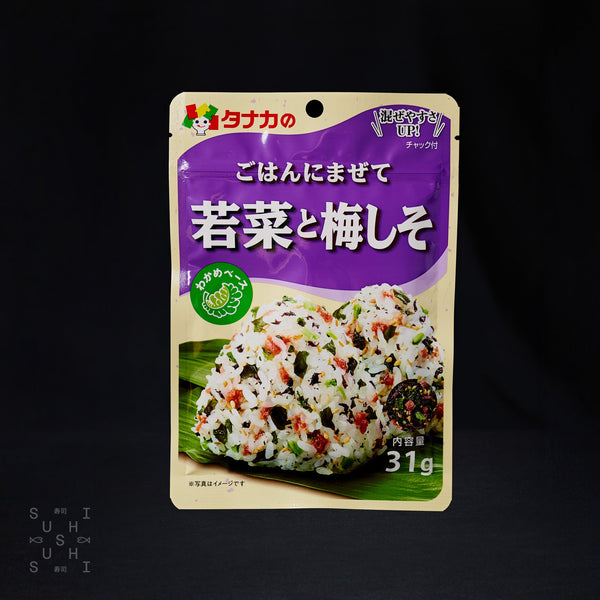
| Tanaka, Ume and Shiso Furikake, 33g | Tangy, plant-based pick | £3.99 | Shop now |
| Yawataya, Umeboshi & Chilli Furikake, 60g | Heat-lovers | £12.99 | Shop now |
1. Nagatanien, Katsuobushi and Nori Furikake, 13.5g: Best for everyday use
A classic bonito-and-nori furikake from Nagatanien, a household name in Japanese seasonings since 1953. Savoury, smoky and reliably crunchy, it's the one to reach for daily.
- Provenance: made by Nagatanien, a well-established Japanese seasoning brand, sourced from Tokyo.
- Taste and texture: shredded bonito (katsuobushi) with toasted sesame and crisp seaweed, smoky, umami-packed, with a light crunch.
- Practical note: a small 13.5g sachet at £3.99, our best-stocked furikake, easy to keep as a standing pantry item.
Not for: anyone avoiding fish, this blend contains bonito flakes, so it isn't vegetarian.
2. Daihoku, Katsuobushi & Nori Furikake, 40g: Best for chefs and gifting
A more premium bonito-and-nori blend from Daihoku, with a fuller 40g pack size and a fragrance the brand says has earned favour with Michelin-starred chefs in the UK.
- Provenance: Daihoku, sourced from Hokkaido, positioned as the chef-grade option in this style.
- Taste and texture: premium bonito flakes and toasted nori with subtle hints of shiitake and matcha, more complex and fragrant than a standard furikake.
- Practical note: larger 40g format at £8.99, better value per gram if you're using it often, and a good introduction to furikake as a gift.
Not for: those wanting the cheapest entry point, the smaller Nagatanien sachet is the lower-cost way in.
3. Tanaka, Ume and Shiso Furikake, 33g: Best plant-based pick
A tangy, herbaceous alternative to the bonito-based blends above, built from pickled plum (ume) and shiso leaf rather than fish, and genuinely vegetarian.
- Provenance: Tanaka, a Japanese seasoning maker founded in 1951, sourced from Hiroshima.
- Taste and texture: tart ume and fragrant shiso give a bright, slightly salty, herbaceous flavour, a real change of pace from the smoky bonito blends.
- Practical note: available as a single 33g pack or a case of 8 for anyone stocking it regularly.
Not for: anyone wanting the classic savoury bonito flavour, this one is tart and herbal rather than smoky.
4. Yawataya, Umeboshi & Chilli Furikake, 60g: Best for heat
From Yawataya Isogoro, a Nagano spice house making furikake and seasoning blends since 1736, this pairs pickled plum with togarashi chilli for a tangy, spicy kick.
- Provenance: Yawataya Isogoro, Nagano, one of Japan's oldest spice blenders.
- Taste and texture: umeboshi tang with gentle togarashi heat, sesame and seaweed, the most distinctive, spice-forward option here.
- Practical note: stock on this one is currently low (single packs only, case pack out of stock), order ahead if you want to guarantee availability.
Not for: anyone who wants a mild, everyday sprinkle, this is the boldest, most seasoning-forward pick of the four.
How to Choose a Furikake
Bonito vs. plant-based
Nagatanien and Daihoku's blends are built on katsuobushi (dried bonito flakes), which gives that classic smoky, umami depth, but rules them out for vegetarian and pescatarian-strict kitchens. Tanaka's ume and shiso blend is the plant-based route to genuine furikake flavour.
Mild vs. spiced
If you want an everyday, unobtrusive sprinkle, the bonito blends or the ume and shiso pick sit at the milder end. Yawataya's umeboshi and chilli blend is deliberately bolder and more seasoning-forward, better as an occasional lift than a daily default.
Pack size and use rate
Furikake is used in small pinches, so even a small sachet lasts. For frequent use across a menu or a large household, the 40g Daihoku pack or Tanaka's case of 8 works out more efficient than repeat-buying smaller single packs.
Storage
All four are shelf-stable dry blends, keep sealed in a cool, dry place away from direct sunlight, and reseal tightly after opening to keep the seaweed and sesame crisp. Best used within a few months of opening.
FAQ
What is furikake?
Furikake is a dry Japanese seasoning blend, typically combining dried seaweed, sesame seeds, and a flavour base such as bonito flakes or pickled plum, sprinkled over steamed rice or other dishes for instant flavour and texture.
Is furikake vegetarian?
It depends on the blend. Furikake built around katsuobushi (bonito flakes), like our Nagatanien and Daihoku picks, contains fish. Ume and shiso furikake, like the Tanaka blend above, is plant-based.
How long does furikake last once opened?
As a dry seasoning, furikake keeps well if resealed tightly and stored away from moisture and direct sunlight, the makers recommend using it within a few months of opening for the best crunch and flavour.
What else can I use furikake on, besides rice?
Beyond steamed rice and onigiri, furikake works well scattered over noodle bowls, salads, avocado toast, grilled fish, tofu, eggs, or popcorn, anywhere a savoury, seasoned crunch is welcome.
Explore the full range in our Furikake collection.

