
Mirin Substitutes: What to Use Instead of Mirin
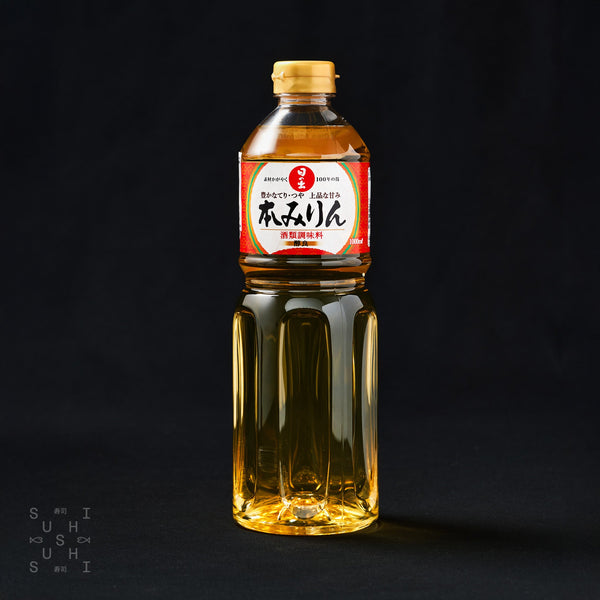
Nothing replaces hon mirin exactly, but you can get close for most dishes.
This page explains what mirin does in a dish, which substitutes cover which job, and when it is worth buying the real thing. It sits inside our Pantry Masterclass.

True hon mirin: Hinode Hon Mirin, Japanese Sweet Rice Wine, 1000ml.
What Does Mirin Do in a Dish?
Hon mirin (本みりん) is a sweet rice seasoning of about 14% alcohol, made from glutinous rice, rice kōji and shochu or alcohol. The kōji turns the rice starch into several kinds of sugar and the protein into amino acids. That gives four effects at once: a mellow, layered sweetness rather than the single note of sugar; a gloss on glazes such as teriyaki; firmer ingredients that hold their shape when simmered; and alcohol that carries fishy or meaty odours away as it cooks off.
A substitute has to cover whichever of those jobs matters in your dish.
What Can I Use Instead of Mirin?
- Sake with a little sugar. The closest home swap: sake brings the alcohol and some rice character, sugar brings the sweetness. It will not give the layered sweetness or quite the same gloss. As a starting point, try about 1 teaspoon of sugar to 1 tablespoon of sake and adjust to taste.
- Sugar dissolved in water. Covers sweetness only; no gloss, no odour masking, no umami.
- Mirin-style seasoning (みりん風調味料). Sold as "mirin" in many shops but not true mirin: glucose syrup, brewed seasoning and acidulants, under 1% alcohol. It sweetens and needs no burning off, but lacks hon mirin's depth.
- Salted cooking seasonings (発酵調味料). About 10 to 14% alcohol with salt added; if you use one, cut the salt elsewhere in the dish.
Is Sake a Good Mirin Substitute?
On its own, no: sake is dry, so a dish will lack sweetness. With sugar added it is the best stand-in for glazes and simmered dishes, because the alcohol does the odour-masking job that mirin's alcohol does.
Mirin or Rice Vinegar?
They are not interchangeable. Mirin is sweet; rice vinegar is sour. Using vinegar in place of mirin changes the dish. If a recipe needs mirin's sweetness, use sake and sugar instead.
Can I Make Mirin at Home?
Not true mirin. Hon mirin is made by maturing glutinous rice, rice kōji and alcohol together for about two months and then pressing it, and in Japan it is a licensed liquor. A home mix of sake and sugar is a substitute, not mirin.
When to Buy the Real Thing
If you cook Japanese food more than now and then, hon mirin is worth having: one bottle covers teriyaki, simmered dishes, dipping sauces and glazes.
Popular Products
True hon mirin, a mirin-style seasoning from the same maker, and cooking sake.


Frequently Asked Questions
What can I use instead of mirin?
Sake with a little sugar is the closest; sugar in water covers sweetness only.
Is sake a good mirin substitute?
Only with sugar added, as sake on its own is dry.
Can I use rice vinegar instead of mirin?
No; vinegar is sour and mirin is sweet.
Can I make mirin at home?
Not true hon mirin, which is matured with rice kōji for about two months; a sake and sugar mix is a substitute.
Where to Buy Mirin in the UK
We stock Hinode Hon Mirin, Hinode Honteri mirin-style seasoning and Hinode Cooking Sake.
For more, browse the Pantry Masterclass. Read next: What is mirin

