Kombu Types: Ma, Rishiri, Rausu and Hidaka Explained
Kombu (昆布) is the kelp behind dashi, and the variety you choose changes the stock. Japan recognises 45 kinds of kombu; four matter most in the kitchen: Ma, Rishiri, Rausu and Hidaka.
This guide explains each and which to use. It sits inside our Dashi Masterclass.

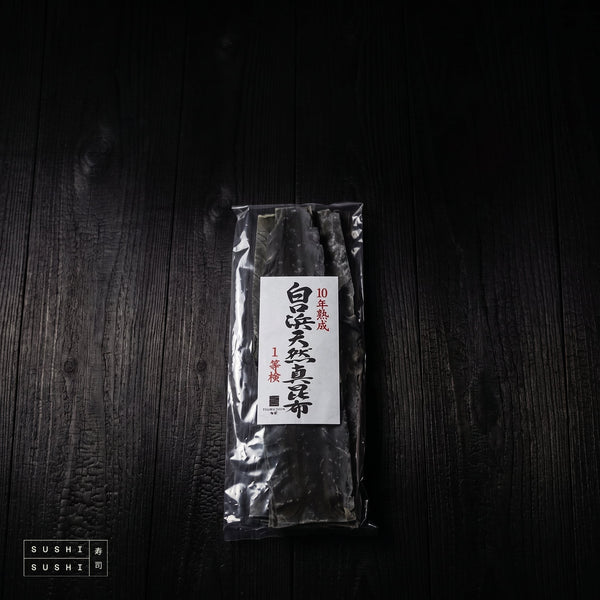
Our kombu: Kōmi Ma Kombu, A Grade (Hokkaido Kelp), 500g, and Kōmi Ma Kombu, 10-Year Aged White Bay (Shiroikuchihama), 500g.
What Are the Types of Kombu?
| Kombu | Japanese | Where it grows | Dashi |
|---|---|---|---|
| Ma kombu | 真昆布 | Southern Hokkaido and the Shimokita coast of Aomori, either side of the Tsugaru Strait | Clear, with an elegant sweetness |
| Rishiri kombu | 利尻昆布 | Rishiri Island, Hokkaido | Clear and refined; favoured in Kyoto cooking |
| Rausu kombu | 羅臼昆布 | Rausu, on the Shiretoko Peninsula, Hokkaido | Rich, amber and full-bodied |
| Hidaka kombu (Mitsuishi) | 日高昆布 / 三石昆布 | Hidaka, Hokkaido | Mild; softer, so also cooked and eaten |
Ma Kombu
Ma means true or genuine, and the trade calls Ma kombu the king of kombu. Its dashi is clear with an elegant sweetness, which is why traditional restaurants choose it. Within the Ma kombu coast, named harvesting beaches carry their own standing, such as Kurokuchi-hama (black-mouth beach) and Shiroikuchi-hama (white-mouth beach).
Ma Kombu or Rishiri Kombu?
Both give a clear stock. Ma kombu is sweeter and rounder; Rishiri is known for a refined, clear dashi used in delicate Kyoto-style cooking.
What Is Rausu Kombu?
Rausu kombu grows on the Shiretoko Peninsula and makes a darker, amber, full-bodied dashi with stronger umami than Ma kombu.
Which Kombu for Dashi?
For an all-purpose ichiban dashi, Ma kombu is the classic choice: clear, sweet and balanced with bonito flakes. Choose Rausu for a richer stock and Hidaka where you also want to eat the kombu in simmered dishes. However you use it, take the kombu out before the water boils (about 80°C), as boiling it lowers the flavour.
Popular Products
Our kombu: all Kōmi Ma kombu. We do not sell Rishiri, Rausu or Hidaka kombu.


Other Ways to Eat Kombu
Kombu is not only for the stockpot. These products put it straight on the plate or into the pan, with no soaking.

Kōmi Salted Kombu (Shio-Kombu), Additive-Free, 50g
Our own shio kombu: Hokkaido kombu cut into fine soft strands, cooked in seasoning and marked additive-free (無添加) on the pack. Scatter it over rice and ochazuke, fold it into onigiri, or rub it into sliced cabbage or cucumber with sesame oil.

Fujicco Salted Shredded Kombu, 28g
Kombu simmered in soy and dusted with salt, made since 1966. A pinch seasons rice, pasta, eggs or stir-fried greens.

Tomoe Hokkaido Kombu Dashi Concentrate, 500ml
Hokkaido kelp stock at ten times strength, with no fish: one part to ten parts hot water for kombu dashi, or a few drops neat into sauces, braises and dressings.


Frequently Asked Questions
What are the main types of kombu?
Ma, Rishiri, Rausu and Hidaka (also called Mitsuishi), all from Hokkaido, with Ma kombu also from the Shimokita coast of Aomori.
What is the best kombu for dashi?
Ma kombu, for a clear and sweet all-purpose dashi.
What is Rausu kombu?
A kombu from the Shiretoko Peninsula that gives a rich, amber dashi.
Is Hidaka kombu good for dashi?
It works, but it is softer and milder, so it is often cooked and eaten too.
Where to Buy Kombu in the UK
We stock Kōmi Ma kombu for dashi, with shio kombu, kombu dashi concentrate, kombu dashi powder and white kombu for other ways to eat it.
For more, browse the Dashi Masterclass, or read next: What is kombu.

