
How to Make Ramen at Home
Read our ramen guide for the background. This page is the quick method.
Ramen at home comes down to three parts made separately and joined in a hot bowl: a soup base, noodles, and toppings. It sits inside our Technique Masterclass.

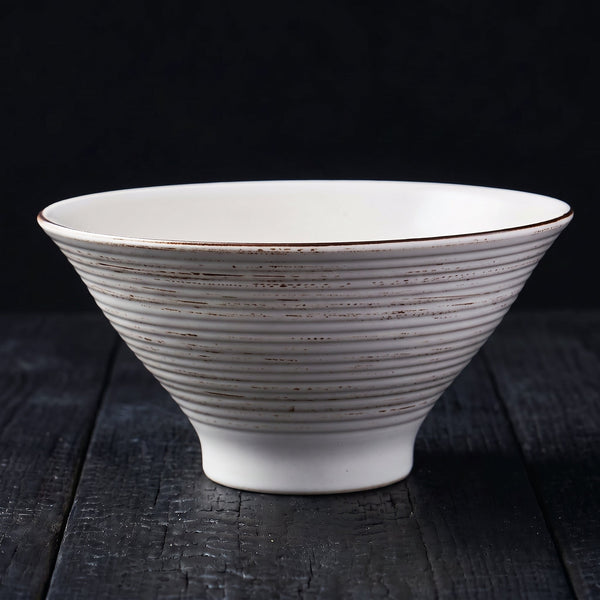
Our bowl: Showa Seito Ramen Bowl, White, 20cm.
How Do You Make Ramen at Home?
A ready soup concentrate removes the long stockpot, so the soup takes as long as the noodles. Warm the bowl, make up the soup with hot water, cook the noodles for the time on the pack, drain them well, then add the toppings.
Which Ramen Soup Concentrate Should I Use?
Choose by the soup you want to eat. A shoyu base gives the classic clear, soy-led broth; a tonkotsu-style base gives a rich, creamy pork-bone-style soup; a kombu dashi gives a light, fish-free stock for vegetable bowls.

Marutomo Shoyu Ramen Soup Concentrate, 500ml
A soy-led concentrate built on katsuobushi (smoked, dried bonito), kombu and shiitake. Dilute it with hot water for a deep shoyu broth; it also works as an umami seasoning for stir-fries and rice bowls.

Daisho Tonkotsu Ramen Soup Concentrate, 1.18kg
A seven times concentrate: one part to six parts hot water gives a full-bodied, pork-bone-style broth without the many hours a scratch tonkotsu needs. The 1.18kg pack suits kitchens serving ramen often.


How Much Water Do You Add to Ramen Concentrate?
Follow the ratio on the pack, because strengths differ. Daisho Tonkotsu is one part concentrate to six parts hot water; Tomoe Kombu Dashi is one part to ten. Make one bowl first, taste, and adjust by a spoonful either way before scaling up for service.
Making Miso Ramen or Shoyu Ramen Yourself
You do not need a ramen concentrate for these two. Miso and soy sauce make the seasoning, and any dashi or stock makes the soup.
Miso ramen. Make up a hot dashi or stock, take it off the boil, and whisk in miso paste until smooth, then pour it over the noodles. Red miso gives a deeper, saltier bowl; white miso a milder, sweeter one. Start with a spoonful per bowl, taste, and add more. Do not boil the soup once the miso is in.
Shoyu ramen. Put a spoonful or two of soy sauce in the warmed bowl as the seasoning, pour the hot dashi or stock over it, stir and taste. Our own Kōmi Classic Japanese Dark Soy Sauce, with Kōmi Shiro Dashi or Tomoe Kombu Dashi made up as the stock, gives a clear, soy-led bowl.


Which Noodles Should I Use for Ramen?
Use chūka men, the wheat ramen noodle, and cook it for exactly the time on the pack so it keeps its bite in hot soup.

Toa Dried Ramen Noodles, 720g
Eight 90g bundles of straight, non-fried Banshu ramen made with 100% Japanese-grown wheat, four minutes to cook, in a resealable bag. One bundle is one portion.

Toa Japanese Wheat Dried Ramen, 180g
The same straight, non-fried chūka men in a smaller bag: 100% Japanese-grown wheat, no added colour, four minutes to cook.


Can I Use Udon, Soba or Somen in the Same Broth?
Yes. The same concentrates make a good udon or soba broth; dilute a little more for a lighter soup, and cook each noodle for its own time on the pack.

Miyatake Sanuki Udon, 5 x 180g
Fully cooked udon from Kagawa, sealed in five packs: drop straight into hot broth and it is ready in under two minutes.

Aoi Dried Udon, 1kg
Made by a high-hydration, slow-aged method that gives a texture closer to fresh udon than most dried noodles.

Toa Maru Udon, 200g
Thick, round dried udon from Banshu in Hyōgo, kneaded with cold water for a smooth surface and firm bite; about ten minutes to cook.


What Toppings Go on Ramen?
Keep toppings simple and prepared before the noodles go in: spring onion, nori, beansprouts, menma (seasoned bamboo shoot), a soft-boiled marinated egg and sliced chashu pork. A shake of ramen shichimi at the table adds heat and citrus.

What Size Bowl Do I Need for Ramen?
A ramen bowl holds noodles, soup and toppings with room to lift the noodles, so most are about 20cm across. Our Showa Seito white bowl is 20cm by 9cm and holds 1100ml. Warm the bowl with hot water before you pour, so the soup stays hot to the last mouthful.


Frequently Asked Questions
How long does it take to make ramen at home with a concentrate?
About ten minutes: four minutes for the Toa noodles, and the soup is made up with hot water while they cook.
Is ramen soup concentrate vegan?
Not usually: shoyu bases often contain bonito and tonkotsu bases are pork-style. For a vegan bowl use the Toa Shoyu Ramen kit, sold as vegan, or a kombu dashi base with vegan seasoning.
Can I use ramen concentrate for other dishes?
Yes. The Marutomo shoyu base doubles as a seasoning for stir-fries, stews and rice bowls.
Where to Buy Ramen Ingredients in the UK
Everything on this page, from soup concentrates and noodles to ramen bowls, spoons and ladles, is in our noodle and ramen bowl ranges.
For more, browse the Technique Masterclass, or read our ramen guide.
